“FDA approved food contact packaging materials” is one of the most common phrases food and beverage brands use when they brief a packaging supplier, and it is also one of the most misunderstood. The U.S. Food and Drug Administration does not hand out a single approval stamp for a box, a film, or a coating. Federal rules instead define when a material is cleared to touch food, and the burden of proving it sits with the material makers and the packaging manufacturer. This guide explains what qualifies as a food contact packaging material, which regulation covers each material type, how a material becomes authorized, and how to verify compliance before a single unit is printed. The perspective comes from a packaging manufacturer founded near Philadelphia in 1966 that prints food and beverage packaging on SQTS-certified GMP production.
Key Takeaways
- There is no single “FDA approved” stamp for packaging. A material is correctly called FDA compliant when its use is authorized under a regulation or notification.
- 21 CFR 174.5 requires that any substance contacting food be used under good manufacturing practice and be of a purity suitable for its intended use.
- FDA sorts materials by type: paperboard (Part 176), adhesives and coatings (Part 175), polymers (Part 177), and colorants and adjuvants (Part 178).
- A Food Contact Notification is effective only for the supplier named in it, and FDA review completes once 120 days pass without objection.
- Since February 2024, grease-proofing agents containing PFAS are no longer sold for food packaging in the U.S.
- Verify compliance with written declarations of compliance for every substrate, coating, adhesive, and ink, tied to real use conditions.
What does “FDA approved” really mean for food contact materials?
There is no blanket FDA approval for a packaging material. Federal rules instead require that any substance contacting food be used under good manufacturing practice and be “of a purity suitable for its intended use,” a standard set in 21 CFR 174.5. In plain terms, a compliant material is one whose use is authorized under an FDA regulation or notification, and that is made and handled so it does not transfer more into food than the rules allow. FDA treats packaging under its indirect food additive framework: a material counts as a food additive if it may reasonably be expected to become a component of food, which is exactly what packaging does through migration. So the accurate phrase is “FDA compliant” or “food-contact compliant,” not “FDA approved.” The distinction matters because it changes what a brand should ask for: documented authorization and test data, not a nonexistent approval certificate.
Which materials qualify, and under which FDA regulation?
FDA organizes food contact materials by type across a numbered set of regulations in Title 21 of the Code of Federal Regulations, and each common packaging component maps to one of them. Paper and paperboard fall under Part 176, adhesives and coatings under Part 175, polymers and plastics under Part 177, and production aids, colorants, and other adjuvants under Part 178. The general provisions in Part 174 tie these together under one purity and good-manufacturing-practice standard. A folding carton, a corrugated tray, the barrier coating on a food board, the adhesive on a laminated pouch, and the pigments in an ink each answer to a different part.
| Material | Typical packaging use | Primary 21 CFR part |
|---|---|---|
| Paper and paperboard | Folding cartons, corrugated, food board | Part 176 |
| Adhesives and coatings | Laminations, barrier and grease coatings | Part 175 |
| Polymers and plastics | Films, trays, liners, bottles | Part 177 |
| Colorants and adjuvants | Inks, pigments, processing aids | Part 178 |
Membership in one of these regulations is not automatic. A material qualifies only if the specific substance and its use conditions fall within what the regulation permits, or the substance is authorized through one of the pathways below. That is also why a printer’s material choices in flexographic and digital packaging printing are a compliance decision, not only a quality one.
Where to look it up
Which part of 21 CFR covers each packaging component
FDA sorts food contact materials by type, and every common packaging component maps to one numbered part, all tied together by the purity and good-manufacturing-practice standard in Part 174.
Part 176
paper and paperboard — folding cartons, corrugated, food board
Part 175
adhesives and coatings — laminations, barrier and grease coatings
Part 177
polymers and plastics — films, trays, liners, bottles
Part 178
production aids, colorants and other adjuvants
How does a packaging material actually get authorized?
Most new food contact substances reach the market through a Food Contact Notification, and an FCN is effective only for the food contact substance made by the manufacturer or supplier named in it, according to 21 CFR 170.100. If a different supplier wants to sell the same substance for the same use, that supplier has to file its own notification, so “FDA compliant” does not transfer automatically between vendors. FDA’s review is complete once it has “allowed 120 days to pass without objecting” to the notification, per 21 CFR 170.102, which is why suppliers plan material qualification months ahead of a launch.
An FCN is not the only route. A material can also be compliant because it is listed in an existing food additive regulation, one of the 21 CFR parts above; because it qualifies for a Threshold of Regulation exemption under 21 CFR 170.39 when exposure is very low; because its use is Generally Recognized as Safe; or because it was prior-sanctioned before the 1958 Food Additives Amendment. A capable supplier will tell a brand which of these pathways covers each component of a package.
Direct versus indirect contact: why the printed side still matters
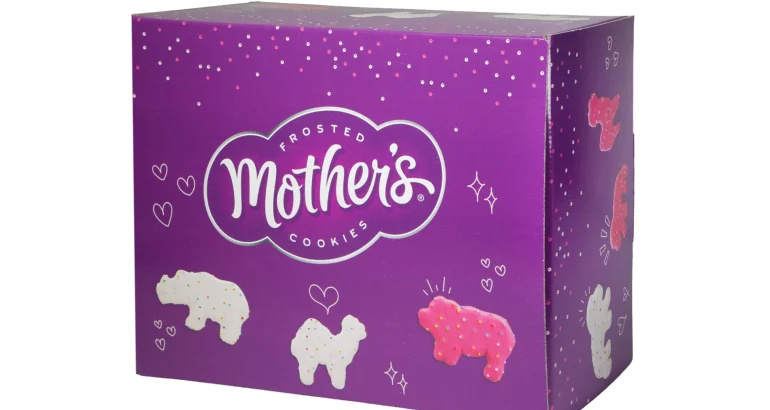
Even when a package is printed on the outside and the food never touches the ink, the material still falls under food contact rules, because substances can migrate through the substrate or transfer by set-off. On our own food and beverage lines, primary paperboard packaging surrounds the food directly while the outside is printed without any direct contact between the printed surface and the food, and secondary packaging holds a primary container such as a can, jar, or pouch. In both cases the substrate, the coatings, and any ink set-off are evaluated, not only the layer that visibly touches the product.
That is why a functional barrier, a coating or layer that limits migration, is part of the compliance conversation, especially for recycled fibers and for artwork positioned near the food side. Treating “it is only on the outside” as automatic safety is one of the most common and costly assumptions a brand can make. For a deeper look at the responsibility split, see our guide to the FDA compliance rules for direct-contact printed food packaging.
What the PFAS phase-out changed for grease-resistant materials
As of February 2024, FDA announced that “all grease-proofing agents containing PFAS are no longer being sold in the U.S.” for food packaging, removing what had been a significant source of these substances in wrappers, bags, and molded-fiber bowls, according to the agency’s PFAS in food packaging update. In January 2025 FDA followed up by determining that 35 related food contact notifications were no longer effective because those uses had been abandoned.
For brands, that means any grease or moisture barrier spec written before 2024 needs a fresh review, and any claim that a material is PFAS-free should be backed by supplier documentation rather than assumption. Water-based coatings and tested barrier boards are now the mainstream replacements. Our own breakdown of grease barriers and PFAS in printed food packaging walks through what to ask a converter for.
How do you verify a material is compliant before you print?
Verification is a paperwork discipline, not a guess. A compliant supply chain produces a written declaration of compliance or letter of guarantee for every substrate, coating, adhesive, and ink, each tied to the material’s authorized use conditions of temperature, moisture, and contact time. Because 21 CFR 174.5 requires good manufacturing practice, the print and coating process itself has to be controlled, not only the raw materials that arrive at the plant.
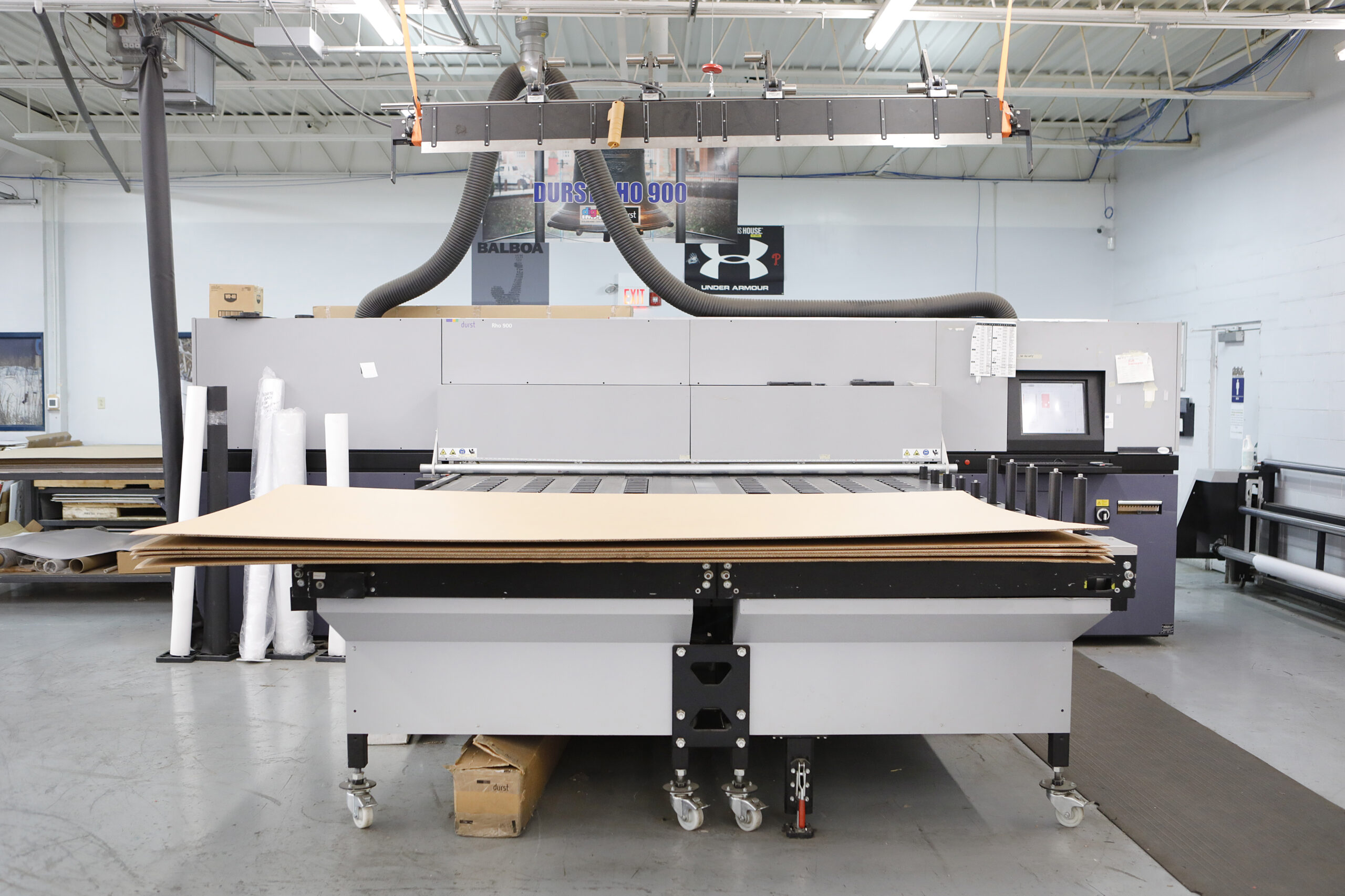
On our own food and beverage packaging, that control is the Durst press: it prints with water-based, odorless WT inks, on SQTS-certified GMP production, Swiss Ordinance and EuPIA aligned and Nestlé compliant. Ink choice is where most of the documentation sits, which is the same reason eco-friendly inks for sustainable food packaging have to be qualified on use conditions rather than on a label claim. Before a job runs, ask a partner for four things: the regulation or FCN that authorizes each component, the declared use conditions, migration or set-off data where relevant, and the good-manufacturing-practice basis for the printing process. You can see how we structure that on our food and beverage packaging and product packaging capabilities.
Frequently Asked Questions
Does FDA actually approve food packaging materials?
No. FDA authorizes food contact substances through regulations and notifications rather than issuing a blanket approval. A material is correctly described as FDA compliant when its use is covered by a 21 CFR regulation, an effective Food Contact Notification, a Threshold of Regulation exemption, GRAS status, or a prior sanction.
Is a Food Contact Notification transferable between suppliers?
No. An FCN is effective only for the food contact substance made by the manufacturer or supplier named in it, so a second supplier of the same material has to file its own notification before it can rely on that clearance.
If the ink is on the outside of the box, do food contact rules still apply?
Yes. Substances can migrate through the substrate or transfer by set-off, so the material, coatings, and inks are all evaluated even when nothing visibly touches the food. A functional barrier is often what keeps a printed or recycled material compliant.
Are PFAS grease barriers still allowed in food packaging?
FDA announced in February 2024 that grease-proofing agents containing PFAS are no longer sold for food packaging in the U.S. Water-based coatings and tested barrier boards are the standard replacements, and suppliers should document that a material is PFAS-free.
Start with materials you can document
Compliant food packaging starts with material choices you can put in writing. Match every substrate, coating, adhesive, and ink to a regulation or notification, confirm the use conditions, and keep the declarations on file. To review the materials and documentation behind your next package, contact our packaging team and we will map each component to the rule that authorizes it.