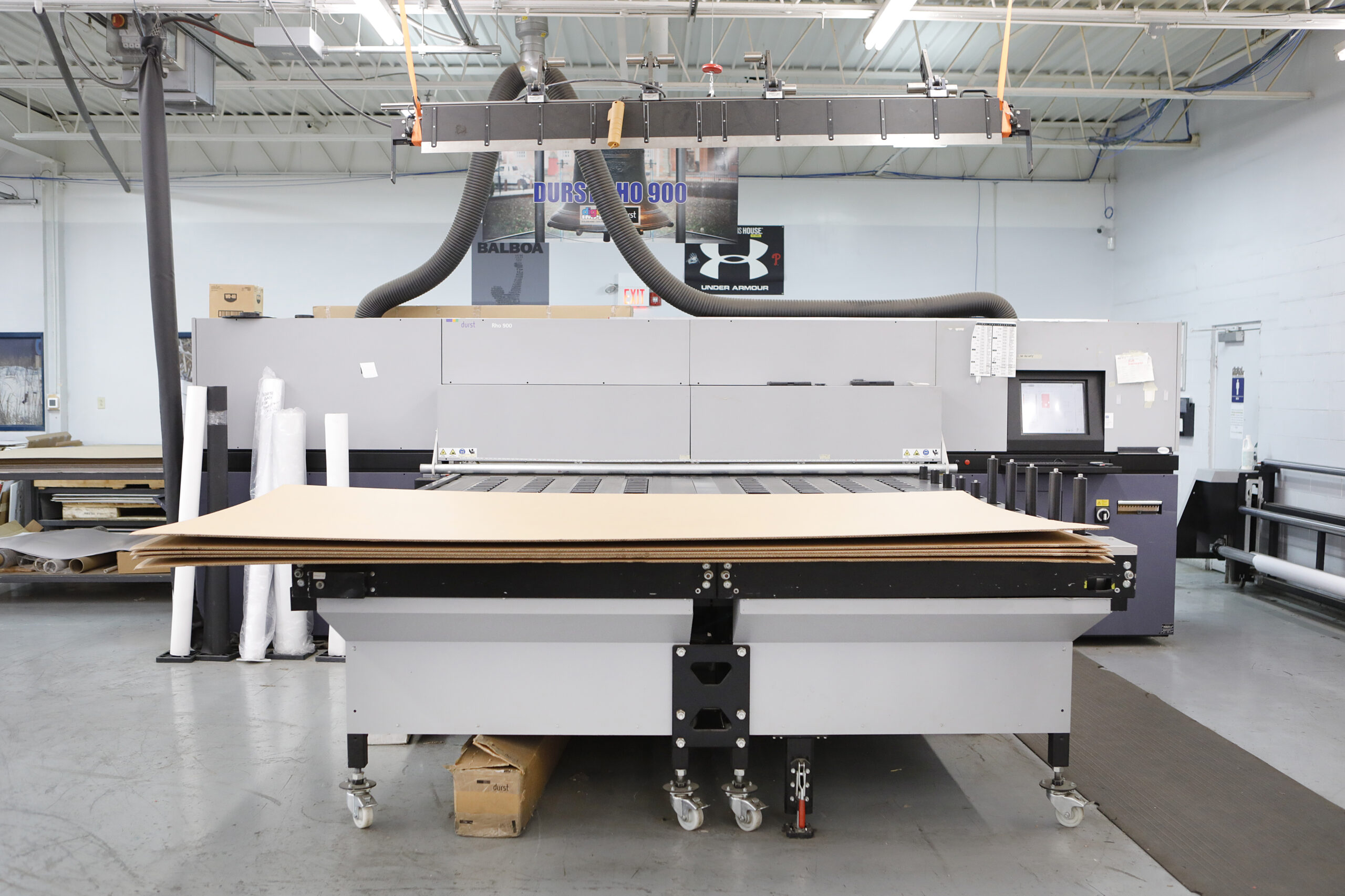
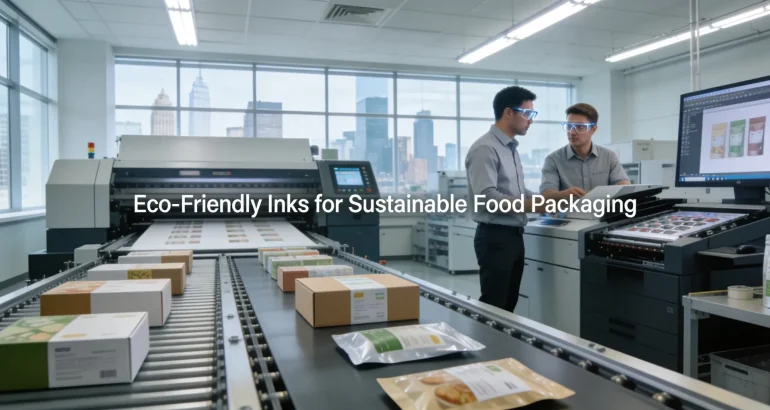
Soy-based and water-based inks rank as the top eco-friendly choices for sustainable custom printed food packaging, offering low VOC emissions and FDA-compliant safety standards. VT Group LLC, based in Lansdowne, PA, specializes in sustainable packaging solutions utilizing these environmentally responsible ink technologies for food-safe applications.
Algae-based ink ranks as the most eco-friendly option for sustainable custom printed food packaging, derived from algae waste cells. Natural-based inks, such as those from INX International, further reduce packaging carbon footprints and support circular economy goals. We integrate these advanced ink solutions into our flexographic plate making processes for measurable sustainability outcomes.
Key Takeaways
- INX International’s natural-based inks directly reduce the carbon footprint of custom food packaging materials.
- Sustainable inks rank among the top priorities driving R&D investment across the packaging industry today.
- At least 2 key factors—substrate and printing method—determine an ink’s true environmental impact.
- VT Group LLC in Lansdowne, PA helps brands select eco-friendly inks for sustainable printed food packaging.
Why Do Eco-Friendly Inks Matter for Food Packaging?
Custom printed food packaging carries a hidden risk most brands underestimate: ink migration. When ink chemicals from packaging surfaces transfer into the food product inside, the consequences extend far beyond a compliance citation — they trigger costly recalls that erase brand equity overnight.
What Happens When Ink Migrates Into Food Products?
Ink migration is a documented industry risk with real financial consequences. In 2005, a major European baby milk formula recall forced the removal of 30 million liters of product after trace ink chemicals were detected in the cartons. Brands that ignore migration risk don’t just face regulatory exposure — they lose entire product runs.
Are Water-Based and Soy-Based Inks Safer for Food Packaging?
Water based food packaging inks address migration risk directly by eliminating the volatile organic compounds found in conventional solvent-based formulations. At VT Group, our printing process uses water-based and odorless WT inks to produce innovative, sustainable food-safe packaging that meets regulatory requirements while delivering strong shelf presence. Soy based printing FDA compliant formulations follow a similar principle — replacing petroleum-derived carriers with renewable, lower-migration alternatives that align with evolving food-contact standards.
Sustainable ink adoption is accelerating across the packaging industry, driven by growing R&D investment. A broader green strategy that now shapes procurement decisions at every level of the supply chain. The shift is not optional — brands that delay face:
- Increased regulatory scrutiny as legislation tightens globally
- Greater recall exposure from non-compliant ink chemistries
- Lost shelf placement as retailers prioritize sustainable packaging partners
VT Group delivers solutions that eliminate these risks from the start.
What Makes Water-Based Inks the Preferred Choice?
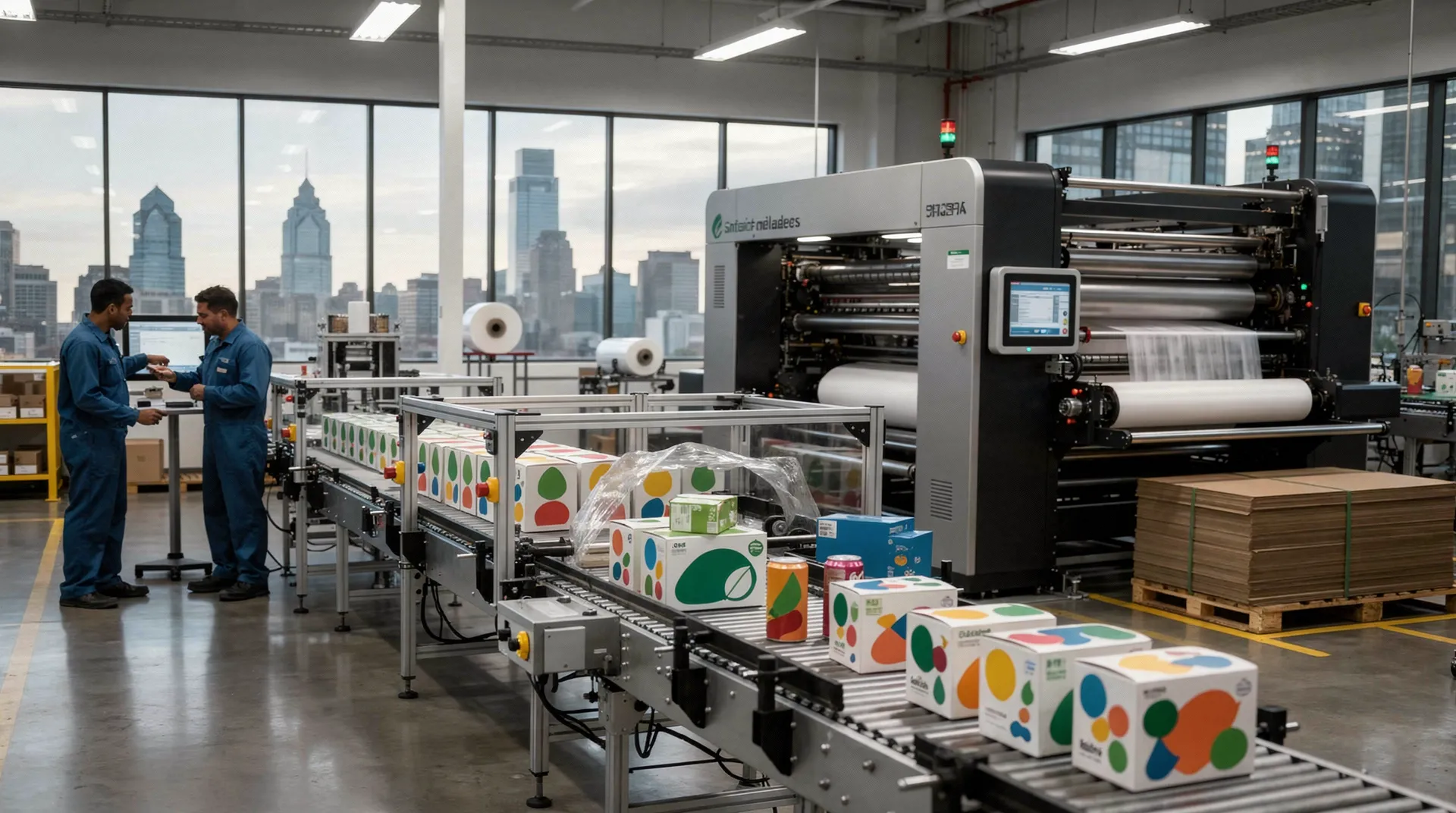
Water-based food packaging inks are the preferred choice for custom printed food packaging because water-based formulations eliminate the volatile organic compounds (VOCs) that create migration risk — the dangerous process by which ink chemicals transfer from packaging surfaces into food products. Brands that ignore ink migration risk product recalls, regulatory penalties, and irreversible reputational damage.
The market has recognized this urgency. Demand for sustainable inks offering reduced VOCs. Synthetic substances is growing rapidly across the packaging industry, driven by tightening legislation and rising consumer expectations. At VT Group, our Digital Impact division uses water-based, odorless inks specifically engineered for food and beverage packaging. Delivering both regulatory compliance and strong shelf presence simultaneously.
Why Do Food Brands Prioritize Low-VOC Ink Formulations?
Conventional solvent-based inks release VOCs during printing and curing, creating contamination pathways into packaged food products. Water-based formulations close those pathways by replacing petroleum-derived solvents with water as the carrier medium. The result is a safer substrate that meets the safety standards food and beverage brands require.
Is Soy-Based Printing FDA Compliant for Food Packaging Applications?
Soy-based inks represent another category of reduced-VOC formulations gaining traction alongside water-based options. Both ink families fall within the broader movement toward sustainable, low-migration printing solutions that align with FDA packaging guidelines. Selecting the right ink system depends on substrate, printing method. End-use requirements — factors our team evaluates on every project.
VT Group has served Fortune 500 companies. Major national brands for over five decades, bringing that depth of experience to every ink selection. Press characterization decision we make on behalf of our clients.

How Do Soy-Based and Natural Inks Reduce Carbon Footprint?
Soy-based and natural inks reduce carbon footprint by replacing petrochemically derived ingredients with clean, renewable. Sustainable alternatives — without sacrificing machine, processing, or print performance. Brands that ignore this shift in custom printed food packaging lose ground on sustainability commitments and risk falling behind circular-economy standards.
Natural-based inks are formulated to perform across flexographic, offset, and gravure applications. That versatility means converters and brand owners do not have to choose between environmental responsibility and production efficiency.
Key sustainability benefits of natural-based inks:
- Replace petroleum-derived raw materials with renewable ingredients
- Reduce the overall carbon footprint of finished packaging materials
- Support circular-economy goals across the supply chain
- Maintain full machine and processing performance on press
Are Water-Based Food Packaging Inks Safe for Direct-Contact Applications?
Water based food packaging inks formulated with natural-based ingredients address both environmental and safety concerns in food packaging. Reducing petrochemical content lowers the risk of chemical migration — the process by which ink compounds transfer from packaging surfaces into food products. At VT Group, our flexographic solutions are positioned to apply these sustainable ink technologies across high-volume print runs.
What Makes Soy-Based Printing a Compliant Choice for Food Packaging?
Soy based printing FDA compliant formulations draw on renewable, plant-derived pigment sources that align with tightening regulatory expectations around packaging materials. Algae-based ink takes sustainability even further — its pigment, derived from algae waste cells, is carbon-negative and available in both water- and soy-based formulations for flexo and offset printing. Brands that adopt these ink systems contribute directly to a circular economy while meeting the performance standards modern production demands.
Which Ink Types Best Suit Custom Food Packaging Needs?
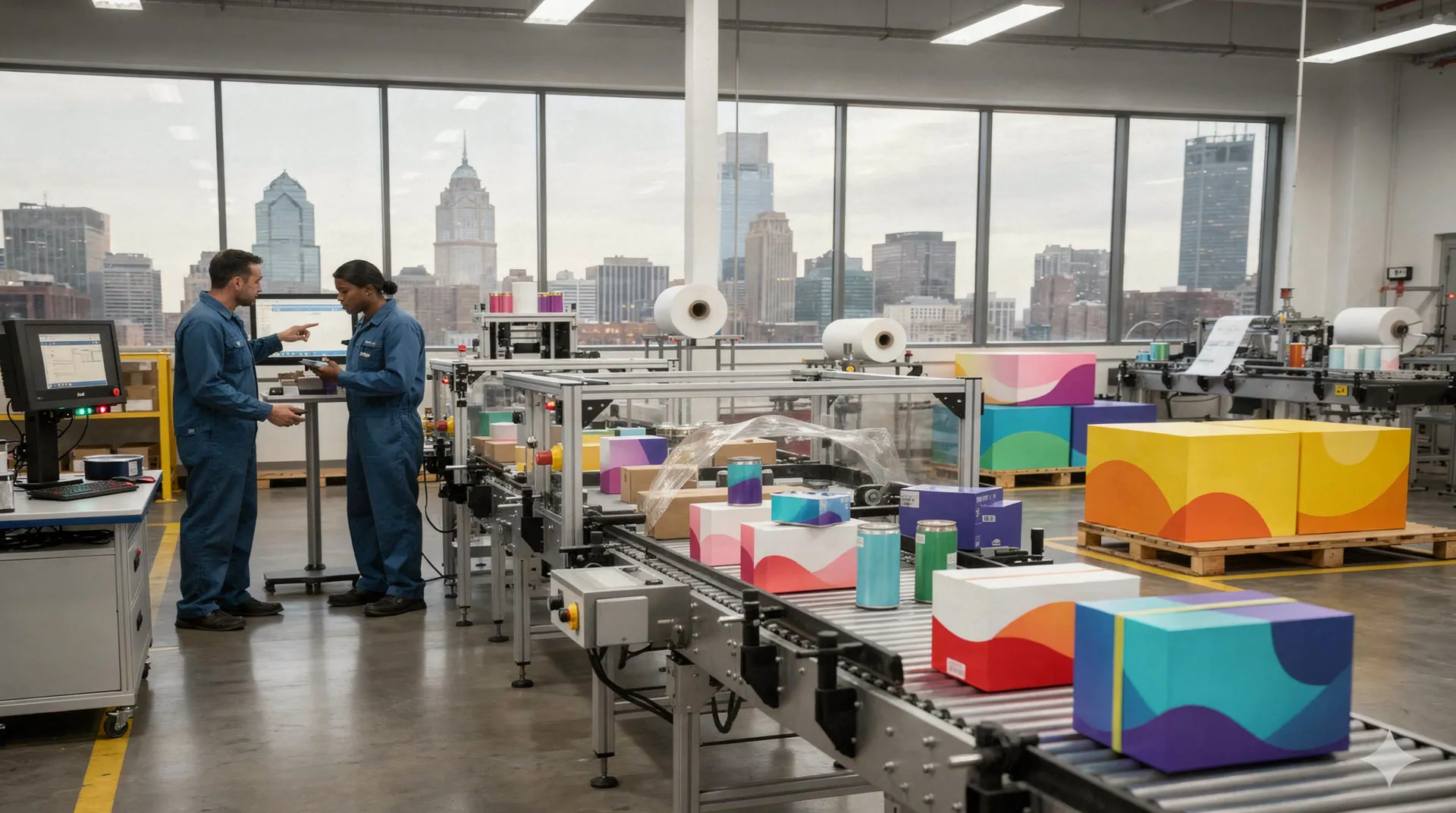
Custom printed food packaging demands ink selection driven by substrate, printing method, end-use environment, and disposal pathway — not a single universal formula. Choosing the wrong ink type risks chemical migration into food products, a failure mode that has forced costly recalls and eroded consumer trust.
Ink selection for food packaging is not a one-size-fits-all decision. The substrate, printing method, end-use conditions. Disposal method each shape the overall sustainability and safety profile of a given ink. Brands that ignore this context expose themselves to compliance gaps and product liability.
Are Water-Based Inks the Safest Choice for Food Packaging?
Water-based food packaging inks reduce volatile organic compound emissions and lower the risk of chemical migration compared to solvent-based alternatives. These inks perform particularly well on flexible substrates common in food applications, making them a strong default for converters prioritizing both safety and environmental performance.
What Does FDA Compliance Mean for Soy-Based Printing Inks?
Soy-based printing FDA compliant formulations have gained traction because soy-derived carriers replace petroleum-based solvents, reducing synthetic chemical load. Packaging inks are not regulated under a dedicated FDA framework, but government emphasis requires that all inks be evaluated and tested for potential interaction with the food product they contact. Soy-based inks support that evaluation process by offering a more predictable, lower-risk chemical profile.
| Ink Type | Primary Benefit | Key Consideration |
|---|---|---|
| Water-based | Low VOC emissions | Substrate compatibility |
| Soy-based | Reduced synthetic chemicals | FDA interaction testing required |
| Algae-based | Carbon-negative pigment | Limited commercial availability |
VT Group’s flexographic pre-press and plate manufacturing capabilities support precise ink application across these formats, ensuring food packaging meets both performance and compliance requirements.
How Does VT Group Deliver Sustainable Food Packaging Solutions?
VT Group delivers sustainable food packaging solutions through a fully integrated, single-source model that combines flexographic pre-press, custom printed food packaging, die cutting. Creative graphic design under one roof. Brands that fragment these services across multiple vendors lose consistency, accumulate waste. Sacrifice the quality control that food packaging demands.
VT Group approaches every project with a passion for detail. Efficiency that has actively eliminated waste from the production process. Deploying cutting-edge technology across workflow management, large format digital printing. Plate manufacturing, VT Group creates lasting enterprise value for converters, multinational brands. CPCs — all served from our facility in Lansdowne, PA.
What Ink Options Support Sustainable Food Packaging?
Ink selection is a critical variable in sustainable food packaging. Water based food packaging inks reduce volatile organic compound emissions and minimize the risk of chemical migration into food products. A failure mode that has triggered costly product recalls across the industry. Soy based printing FDA compliant formulations offer an additional pathway, replacing petroleum-derived components with renewable, lower-impact alternatives that meet regulatory standards for food-contact applications.
Why Does a Single-Source Model Reduce Packaging Waste?
Consolidating design, pre-press, and production within one provider eliminates the handoff errors and redundant material consumption that inflate costs and environmental impact. Our integrated capabilities — spanning flexographic plate manufacturing, die cutting. Graphic design — mean every stage of the packaging workflow is optimized together, not in isolation. Sustainable practices are shaping the future of packaging. Businesses that fail to adopt them risk falling behind in both customer engagement and operational efficiency.
FAQ
What is the most eco-friendly ink option for custom printed food packaging?
Algae-based ink ranks as the most eco-friendly option, derived from algae waste cells. INX International’s natural-based inks also reduce the carbon footprint of custom food packaging materials.
Why do water-based inks reduce migration risk in food packaging?
Water-based formulations eliminate volatile organic compounds (VOCs), which are the primary cause of ink migration into food products. Removing VOCs directly lowers recall exposure and supports regulatory compliance.
Where does VT Group help brands choose sustainable inks for food packaging?
VT Group LLC, located in Lansdowne, PA, helps brands select eco-friendly inks for sustainable custom printed food packaging. Their process integrates water-based and odorless WT inks into plate-making and color management workflows.