The packaging landscape is changing fast. This article outlines the most important design and supply-chain trends for 2026—highlighting sustainable materials, advances in digital printing, and practical tactics for streamlining packaging operations. You’ll find clear, actionable insight on how these developments can spark product innovation, strengthen brand value, and drive operational efficiency. As consumers and regulators push for greener, smarter packaging, companies that understand and apply these trends will be best positioned to grow.
What Are the Leading Packaging Design Trends for 2026?
In 2026, packaging design will be shaped by sustainability, on-demand production, and deeper consumer engagement. Expect broader use of recycled and bio-based materials, more color-accurate and flexible digital print runs, and packaging that tells a brand story while addressing lifecycle impact. These shifts improve both aesthetics and environmental performance—making them strategic priorities for modern brands.
How Are Sustainable Materials Shaping Packaging Design?
Sustainable materials are redefining what packaging can be—offering durable, compostable, or readily recyclable options that cut environmental harm without sacrificing function. Common and emerging choices include:
- Recycled Corrugated Board: Durable, recyclable, and ideal for protective shipping solutions.
- Kraft Paper: Strong, compostable, and increasingly popular for bags and wraps.
- PLA Bioplastics: Made from renewable resources and compostable under appropriate conditions.
- Bagasse Molded Pulp: A sugarcane-fiber option well suited to single-use food packaging.
- Cellulose Film: A biodegradable film alternative for food and retail packaging.
- Post-Consumer PET: Recycled PET that reduces virgin plastic use while remaining recyclable.
Research also highlights the potential of biomass feedstocks—rice straw and bagasse among them—to produce truly circular packaging alternatives.
These material options respond to consumer demand for greener products and help brands build trust by aligning packaging with environmental values.
What Role Does Digital Printing Play in Modern Packaging?
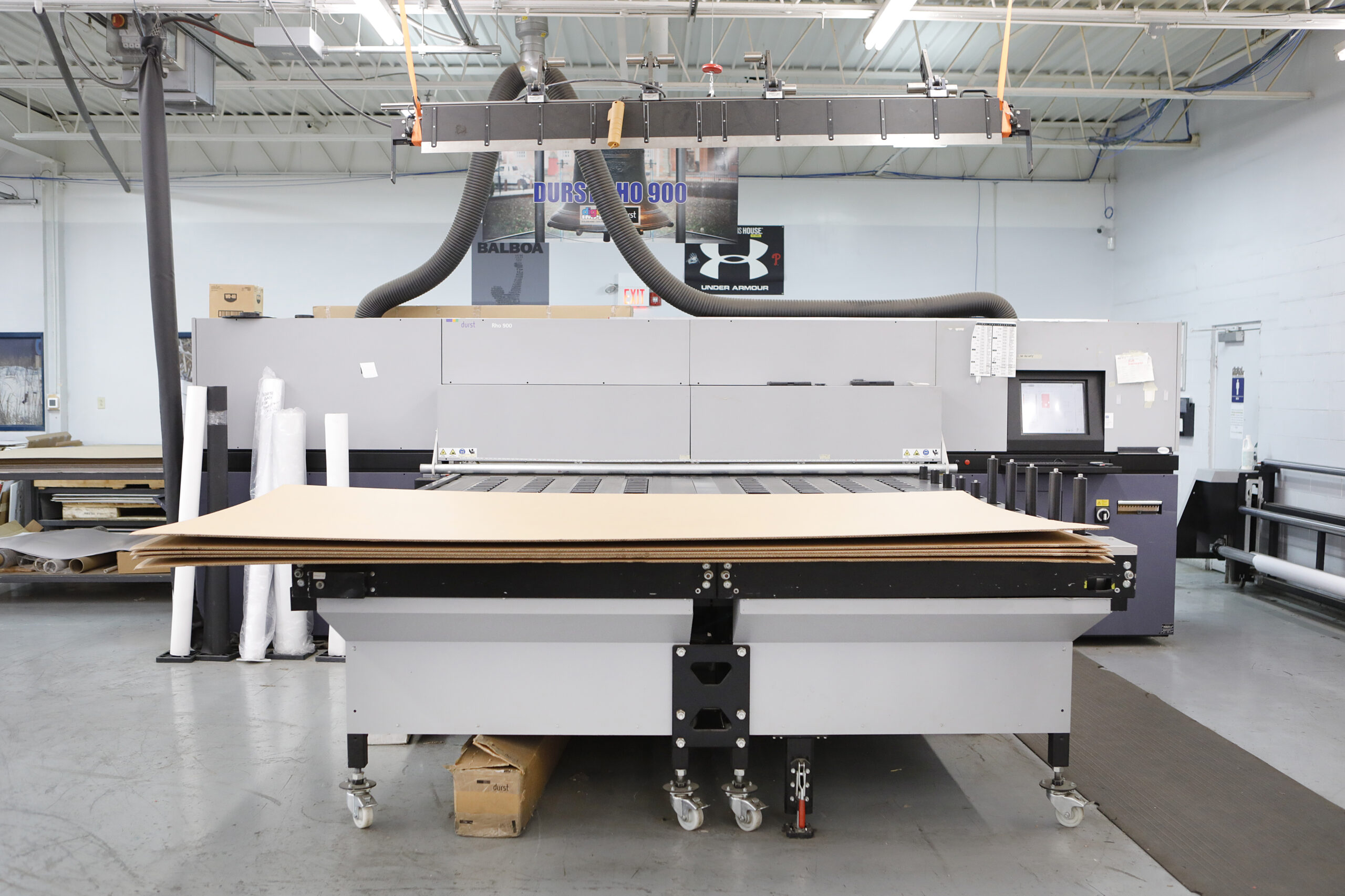
Digital printing is accelerating how packaging is designed and delivered. It enables short, cost-effective runs, rapid personalization, and fast design iteration—reducing waste and inventory risk. Brands can test limited editions, localize artwork, and refresh campaigns without long lead times. Additionally, modern digital presses use more efficient inks and reduce setup waste, supporting sustainability goals.
VT Group brings advanced digital-print expertise to packaging programs, helping brands increase shelf impact while controlling environmental and inventory costs. Our solutions combine visual quality, production flexibility, and sustainability best practices so you can move from concept to market faster.
How Can Sustainable Packaging Solutions Enhance Business Value?
Sustainable packaging drives measurable business outcomes: better brand perception, lower long-term costs, and regulatory alignment. Key benefits include:
- Brand Loyalty: Consumers reward companies that demonstrate genuine environmental stewardship.
- Cost Efficiency: Waste reduction, lighter materials, and improved logistics deliver savings over time.
- Regulatory Compliance: Proactive sustainability reduces exposure to evolving packaging regulations and fines.
Adopting sustainable packaging is both a market differentiator and a risk-management strategy. VT Group supports clients with material selection, design optimization, and transition planning to maximize both environmental and commercial returns.
Which Certifications Validate Sustainable Packaging Practices?
Recognized certifications help verify sustainable claims and build stakeholder trust. Common standards include:
- FSC Certification: Confirms paper and wood-based products come from responsibly managed forests.
- BPI Certification: Verifies that products meet compostability standards.
- ISO 14001: Specifies requirements for an effective environmental management system.
These credentials reassure customers and regulators. VT Group guides clients through certification requirements and documentation to strengthen sustainability credentials.
What Are the Environmental and Cost Benefits of Sustainable Packaging?
Sustainable packaging delivers both ecological and economic advantages. Typical benefits include:
- Reduced Waste: Using recyclable and biodegradable options lowers landfill contributions.
- Lower Carbon Footprint: Lighter materials and improved logistics shrink emissions across the supply chain.
- Lifecycle Cost Savings: Design for reduction and recyclability often yields long-term savings in materials and disposal.
Academic work supports how optimized packaging design can protect the environment while delivering economic returns.
Strategic Sustainable Packaging: Design for Environmental & Economic Benefits
This study highlights how targeted packaging redesign can generate significant cost savings for companies while contributing meaningfully to Life Cycle Analysis research by connecting packaging choices to environmental outcomes.
Sustainable packaging design: Packaging optimization and material reduction for environmental protection and economic benefits to industry and society, NS Tipi, 2025
These benefits reinforce why sustainable design is now a business imperative. VT Group embeds these principles into practical solutions that advance both environmental and financial objectives.
What Are Effective Strategies for Packaging Supply Chain Optimization?
Optimizing the packaging supply chain reduces cost, complexity, and time to market. Effective approaches include:
- Standardization: Reduce SKU complexity and harmonize materials to cut waste and speed procurement.
- Automation: Use automated production and handling to improve throughput, accuracy, and safety.
- Consumer Engagement: Incorporate customer feedback into design and material choices to ensure market fit.
Recent industry reviews underscore the role of automation, smart materials, and systems integration in modernizing the packaging supply chain.
Packaging Automation & Smart Materials: A Modern Industry Review
Global food processing and packaging is now a multi‑trillion‑dollar sector as processed foods become more prevalent. This review covers systems, standards, and interfaces for the modern food industry, presenting processing and packaging principles, methods, techniques, and state‑of‑the‑art technology. It aims to update knowledge for practitioners, system integrators, researchers, and stakeholders. Topics include smart packaging materials, examples of nanotechnology in packaging, material handling, robotics, non‑destructive inspection, packaging execution systems (PES), distributed control, traceability, and OMAC (Open Modular Architecture Controls) software standards and interfaces.
Processing and packaging automation systems: a review, 2009
These tactics improve efficiency and sustainability. VT Group applies automation and systems thinking to help clients optimize performance across the packaging lifecycle.
How Does Technology Improve Packaging Project Management?
Technology enhances packaging project management through real‑time analytics, centralized workflows, and automated QA. These tools reduce errors, speed decisions, and make timelines predictable—helping teams get products to market faster and with consistent quality. VT Group offers integrated platforms that combine planning, vendor coordination, and compliance tracking to keep projects on scope and on schedule.
What Are Best Practices for Reducing Packaging Costs and Waste?
Proven approaches for cutting costs and waste include:
- Lean Management: Apply lean methods to eliminate non‑value activities and improve throughput.
- Lifecycle Assessments: Use LCA to identify material and process changes that reduce environmental impact.
- Closed-Loop Systems: Design for reuse and recycling to reduce dependence on virgin materials.
VT Group helps clients implement these practices through design for recyclability, material substitution, and supply‑chain redesign—delivering measurable reductions in cost and waste.
How Do Print Industry Packaging Techniques Drive Innovation?
The print industry remains central to packaging innovation, blending functional advances with visual storytelling. Smart packaging—embedding sensors, NFC, or QR codes—adds consumer interactivity, while sustainable inks and substrates reduce environmental impact. Together, these techniques elevate both form and function.
What Advances in Plate Making Technology Enhance Packaging Quality?
Plate making advancements have raised print fidelity, speed, and material safety. Notable improvements include:
- Precision in Printing: Better plate technologies yield finer detail and color consistency.
- Food-Safe Materials: New substrates and inks meet stringent food-contact requirements.
- Rapid Production: Faster plate workflows shorten turnaround and support agile launches.
VT Group leverages these plate making innovations to deliver high‑quality packaging that meets regulatory and market expectations.
How Does Digital Printing Enable Customization and Speed?
Digital printing empowers brands to deliver tailored designs quickly and economically. It supports variable data, regional personalization, and limited editions—boosting consumer relevance and reducing obsolescence. By shortening lead times, digital print helps companies respond to market shifts without oversized inventories. VT Group combines digital capabilities with sustainability-minded materials to balance creativity, speed, and responsibility.
Frequently Asked Questions
What are the key challenges businesses face when transitioning to sustainable packaging?
Moving to sustainable packaging can be complex. Common challenges include higher upfront material costs, limited supplier availability for certified options, and the need to educate customers on new benefits or handling. Regulatory changes add another layer of complexity. Overcoming these hurdles requires strategic sourcing, pilot testing, and partnerships with sustainability experts.
How can companies measure the effectiveness of their sustainable packaging initiatives?
Effectiveness is best tracked with clear KPIs: reductions in carbon footprint, material use, and waste volumes; improved recyclability rates; and customer perception metrics from surveys or sales data. Certifications, lifecycle assessments, and regular audits provide objective validation of progress and areas for improvement.
What role does consumer feedback play in packaging design innovation?
Customer feedback is essential. It reveals usability issues, aesthetic preferences, and functional needs that drive design decisions. Surveys, user testing, and social listening help brands refine materials, formats, and messaging—resulting in packaging that performs better on shelf and in use.
What are the emerging technologies in packaging that businesses should watch for?
Watch for smart packaging (sensors, NFC, QR integration), advances in biodegradable and bio‑based materials, nanotechnology-enhanced barriers, and expanded automation in production and fulfillment. Augmented reality also offers new ways to engage consumers and deepen brand experiences.
How can businesses ensure compliance with sustainability regulations in packaging?
Stay current with local and international regulations, train teams on compliance requirements, and work with sustainability consultants where needed. Regular internal audits, supplier due diligence, and pursuing relevant certifications will help maintain compliance and reduce regulatory risk.
What impact does packaging design have on consumer purchasing decisions?
Packaging affects first impressions, perceived quality, and purchase behavior. Strong design attracts attention, while sustainable cues and clear functionality build trust and repeat purchase. Well-designed packaging communicates brand values and enhances the overall product experience—driving both conversion and loyalty.
Conclusion
Adopting forward-looking packaging strategies—sustainable materials, digital print, and optimized supply chains—creates real competitive advantage. These approaches strengthen brand loyalty, reduce costs, and meet rising consumer and regulatory expectations. If you’re ready to translate these trends into practical outcomes, VT Group’s experts can help you design and scale solutions that deliver value today and resilience for tomorrow.