Custom printed food packaging for small batch, short runs carries higher per-unit costs than large-volume orders. Simple folding cartons start around $0.25 per unit, while premium structures with specialty finishes reach $4 to $12. Setup charges, dieline tooling, and print method selection drive final pricing. Contact us for project-specific guidance.
Key Takeaways
- Custom food packaging costs range from $0.25 per unit to over $12 for premium options.
- Simple folding cartons represent the most affordable structure, starting at $0.25 each.
- Premium rigid boxes with letterpress and foil finishes cost between $4 and $12 per unit.
- Cardboard and paperboard materials keep costs lowest; plastics and wood raise price significantly.
What Do You Need Before Starting?
Launching custom printed food packaging requires four resolved decisions before a single file is submitted: material type, structural design, print method, and order volume. Teams that skip this groundwork encounter cost surprises that erode margins and delay production timelines.
flexographic plate making expertise is central to how VT Group LLC, located in Lansdowne, PA, US, guides Fortune 500 companies. Major brands through exactly this preparation process. Our experience confirms that unresolved specifications at project intake are the single greatest source of rework, tooling waste, and budget overruns.
What Information Should Teams Gather Before Requesting a Quote?
Resolve these four prerequisites before engaging our production team:
- Define material requirements — Identify whether the application calls for paperboard, corrugated, or a specialty substrate. Material selection drives the base cost of every unit produced.
- Confirm structural design — Determine box dimensions and dieline complexity. Custom structures increase one-time setup charges but reduce shipping waste downstream.
- Select a print method — Decide whether digital printing food packaging or a conventional process best fits your color quality targets and plate-cost tolerance.
- Establish order volume — Volume determines per-unit economics. Short run custom food boxes are well-suited to digital workflows, while larger runs shift the cost curve toward conventional methods.
Does Packaging Type Affect These Prerequisites?
Retail packaging, food packaging, and sustainable packaging each carry distinct structural and material requirements. Aligning the packaging category to the intended use case before production begins prevents costly mid-project specification changes.
How Does Digital Printing Change Short Run Economics?
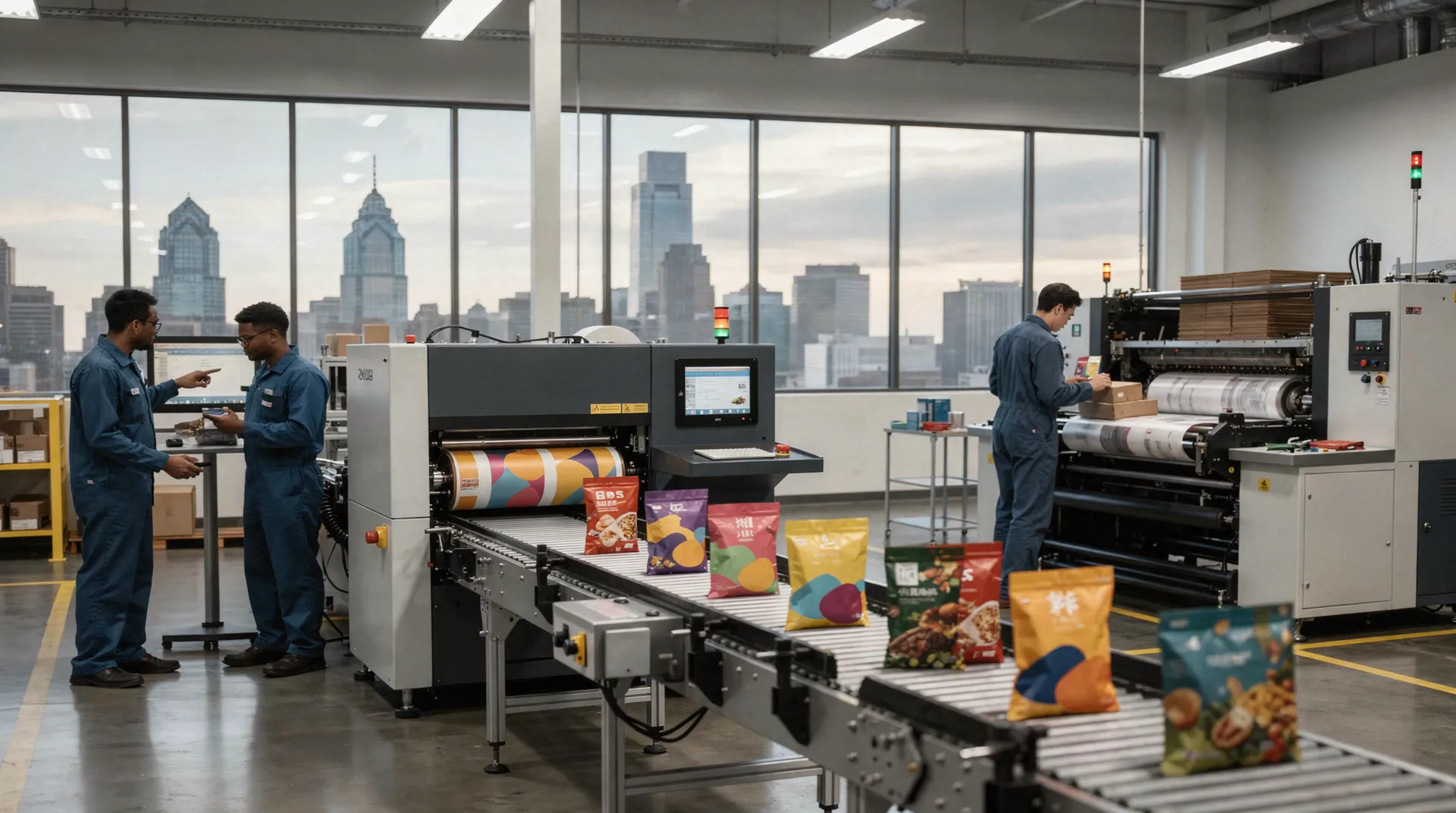
Digital printing food packaging eliminates physical plates and setup fees entirely, making small-batch production economically viable for the first time. Traditional offset printing demands minimum runs of 500 to 1,000 units before the economics justify the setup — brands that miss that threshold absorb disproportionate per-unit costs or settle for plain, unbranded boxes.
We see this cost gap destroy margin for emerging food brands every day. Without access to short-run digital production, small-batch producers either overpay for inventory they cannot move or forfeit the shelf presence that drives purchase decisions.
What Makes Offset Printing Unsuitable for Small Batches?
Offset printing requires physical plates and an extensive setup process before a single unit rolls off the press. That infrastructure cost spreads only across large volumes. Below 500 to 1,000 units, the per-unit economics collapse and the format becomes impractical for small brands.
How Do We Approach Short Run Digital Production?
| Factor | Offset Printing | Digital Printing |
|---|---|---|
| Physical plates required | Yes | No |
| Minimum viable run | 500–1,000 units | Low quantities |
| Setup fees | Yes | Eliminated |
| Food-safe ink options | Varies | Water-based, odorless WT inks |
VT Group specializes in both short run custom food boxes. Long-run digital production as part of a full-service packaging capability. Our Digital Impact division produces custom printed food packaging using water-based and odorless WT inks. A formulation that meets food-safety regulations while delivering shelf-differentiated results.
To leverage these economics on your next project, follow these steps:
- Confirm your run quantity before selecting a print method — volumes below offset minimums qualify immediately for digital.
- Submit your dieline and artwork to our pre-press team for digital-ready file preparation.
- Specify food-safety requirements so our team assigns the correct WT ink profile from the start.
What Cost Factors Determine Your Per-Unit Price?
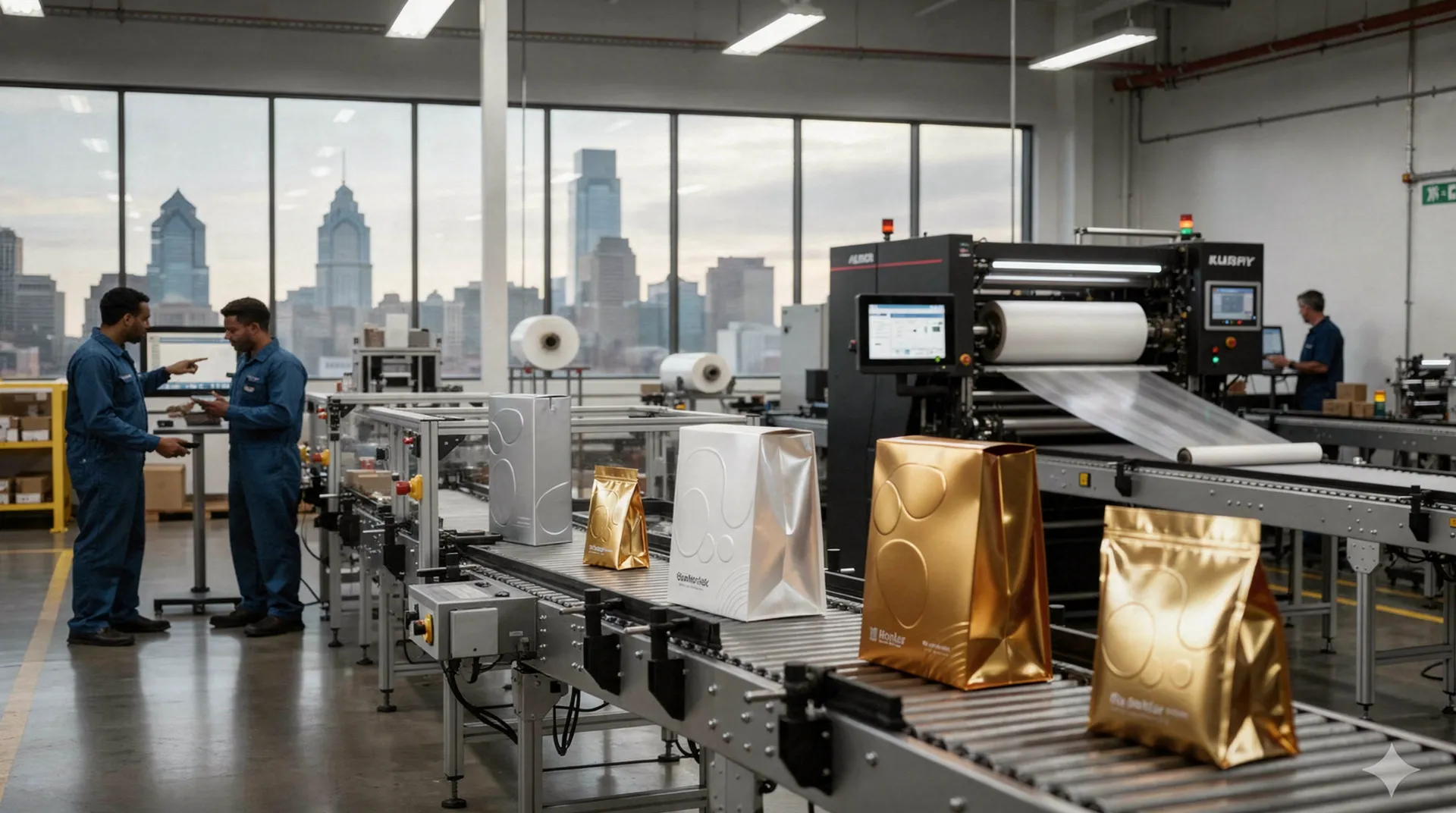
Custom printed food packaging unit cost swings dramatically based on materials, print methods, order volume, finishes, and structural complexity. Brands that ignore these variables during the planning phase lose budget control before a single box ships.
Five primary cost drivers shape every per-unit price:
- Materials — Paperboard and corrugated substrates anchor the low end; specialty barriers and rigid constructions raise both cost and weight.
- Print method — Digital printing food packaging eliminates plate costs on shorter runs, while offset and flexo processes reduce per-unit cost at high volume but carry significant setup charges.
- Order volume — Higher quantities spread fixed costs across more units, compressing the per-unit figure.
- Finishes and coatings — Lamination, foil stamping, and embossing add perceived value but increase process cost at every unit produced.
- Structural complexity — Custom dielines and multi-panel constructions raise tooling and setup charges, though they often reduce downstream shipping waste.
How Do Fixed Prepress Costs Affect Short-Run Orders?
Design and prepress fees are fixed costs that do not scale with volume. Short run custom food boxes absorb those fixed charges across fewer units. Raises the effective per-unit price significantly compared to longer production runs. Teams ordering smaller quantities must account for this cost concentration when building accurate budgets.
How Does Production Efficiency Reduce Per-Unit Waste?
Production inefficiency is a hidden cost multiplier that compounds across every press run. VT Group applies advanced flexographic plate making expertise, rigorous press characterization. Precision color management to eliminate waste from the production process. That discipline translates directly into tighter cost control and more predictable per-unit pricing for converters, brands. CPCs managing complex packaging programs. Brands that partner with a single-source expert avoid the compounding inefficiencies that fragment multi-vendor workflows.
How Do You Select the Right Packaging Format?
Selecting the right packaging format begins with matching structural and print requirements to the product category, retail environment, and cost targets. Brands that skip this alignment lose margin to shipping waste, inconsistent presentation, and format mismatches that erode customer experience.
VT Group offers distinct format categories — **custom printed food packaging**, craft beverage and spirits packaging, corrugated display printing. Custom product packaging — each engineered for specific channel and performance demands. Packaging format is simultaneously a brand touchpoint, an operational tool, and a financial asset. Organizations that treat format selection casually sacrifice control over margins, sustainability goals, and customer experience.
Follow these steps to select the right format:
- Define the product category and retail channel — food and beverage, craft spirits, or general retail each carry different structural and regulatory requirements.
- Evaluate structural complexity — custom dielines increase one-time setup charges but reduce shipping waste, making structural decisions a direct cost and sustainability trade-off.
- Assess print volume — digital printing food packaging supports shorter production runs with lower setup costs, while higher volumes shift the economics toward other print methods.
- Determine display requirements — corrugated display printing and turn-key display systems build immersive retail environments that drive consumer engagement across multiple touchpoints.
- Establish asset management protocols — packaging asset management maintains visibility, consistency, and control across all formats, protecting margins at scale.
What Makes Short-Run Packaging a Strategic Option?
Short run custom food boxes reduce upfront financial exposure while allowing brands to test formats before committing to high-volume production. Digital printing enables this flexibility without sacrificing color quality or structural integrity.
When Does Corrugated Display Printing Add Value?
Corrugated display printing delivers turn-key systems that transform retail spaces into immersive brand environments. VT Group’s Digital Impact platform builds these systems specifically to enhance consumer engagement across multiple retail touchpoints.
What Mistakes Should You Avoid When Ordering?
Ordering custom printed food packaging without a structured asset management strategy causes cost overruns, brand inconsistency, and missed sustainability targets. Treating packaging as a disposable commodity — something ordered, used. Forgotten — is the single most damaging mistake a brand can make.
We see the consequences daily. Companies that manage packaging assets strategically outperform those that do not, gaining measurable advantages in cost control and brand consistency. Those that skip this discipline absorb preventable losses across every production cycle.
Why Does Vague Pricing Guidance Cause Problems?
Most online pricing guidance for packaging is vague, outdated. Ignores true cost drivers like tooling, freight, embellishments, and low-MOQ penalties. Relying on generic estimates when budgeting for digital printing food packaging produces procurement gaps that compound across SKUs and seasons. We deploy cutting-edge technology in a single-source solution precisely to eliminate these blind spots and deliver transparent, accurate cost structures.
What Steps Prevent Ordering Errors?
Follow this sequence before placing any order:
- Audit existing packaging assets — catalog every active SKU, substrate, and finish specification.
- Define true cost drivers — account for tooling, freight, embellishments, and volume thresholds before requesting quotes.
- Establish MOQ requirements early — particularly for short run custom food boxes, where low-volume penalties significantly affect unit economics.
- Align on sustainability targets — confirm material and process choices support documented environmental commitments.
- Engage a single-source partner — consolidate design, production, and asset management to eliminate handoff errors and version inconsistencies.
Learn why clients choose VT Group for their most demanding packaging programs. contact our team to begin your next project.
Ultimately, the cost of custom printed food packaging for small batch short runs reflects a convergence of variables. Substrate selection, print method, order volume, and finishing complexity — each carrying measurable weight in the final investment. Brands that approach these decisions with clarity around their production requirements. Quality standards position themselves to extract the greatest value from every run. Partnering with an experienced, single-source manufacturer transforms that complexity into a strategic advantage, delivering consistent, shelf-ready results without unnecessary waste or compromise.
FAQ
How much does custom printed food packaging cost for small batch runs?
Per-unit costs range from $0.25 for simple folding cartons to over $12 for premium rigid boxes with specialty finishes like letterpress and foil.
Why does digital printing work better than offset for short runs?
Digital printing eliminates physical plates and setup fees entirely. Offset printing requires minimum runs of 500 to 1,000 units before the economics justify the setup cost.
What four decisions does a team need to resolve before requesting a quote?
Teams at VT Group LLC in Lansdowne, PA must define material type, confirm structural design, select a print method. Establish order volume before engaging the production team.