
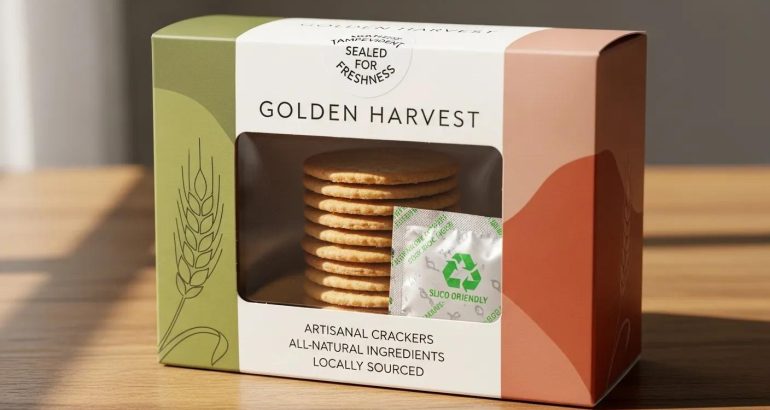
In a tightly regulated, highly competitive food market, custom packaging is more than presentation — it’s protection. Thoughtful packaging prevents contamination and spoilage while building brand recognition, consumer confidence, and clear market differentiation. This article walks through the essentials of designing compliant, sustainable, and visually compelling food packaging: from global safety standards and food-grade materials to advanced printing techniques that elevate shelf impact. Mastering these elements helps brands meet strict regulations, captivate buyers, and support long-term growth.
How Do Custom Packaging Solutions Ensure Food Safety Compliance?
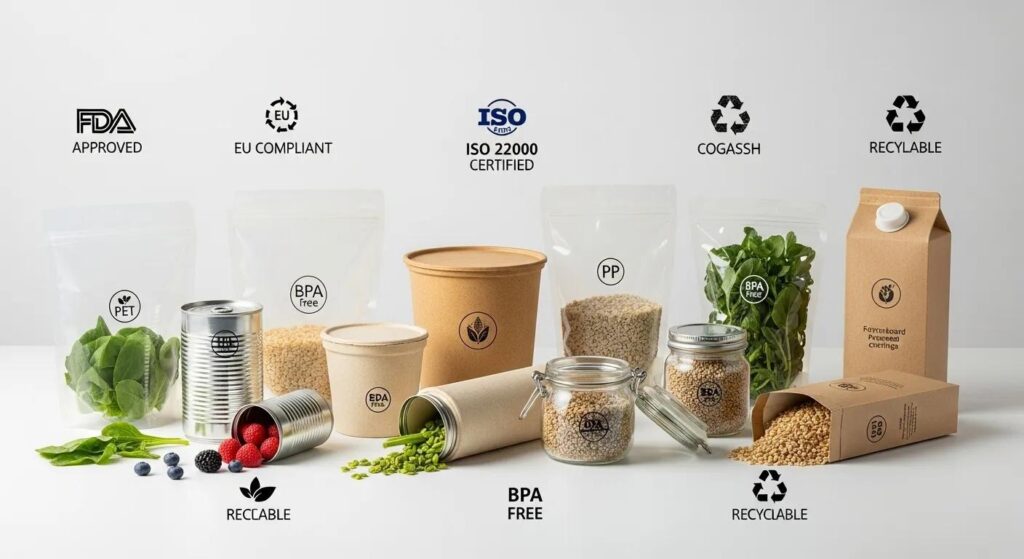
Custom packaging plays a central role in maintaining food safety and protecting public health, product quality, and brand reputation. Effective solutions follow regulations from bodies like the U.S. FDA, the European Food Safety Authority (EFSA), and other international agencies. Compliance requires certified food-safe materials, accurate labeling, and consistent quality controls across production and distribution. With robust QA protocols and traceability systems in place, companies can reduce contamination risks, avoid costly recalls, and preserve consumer trust.
What Are the Key Food Safety Standards for Packaging Materials?
Food packaging standards are designed to guard against chemical, physical, and biological hazards. Important regulations and guidelines include:
- FDA Regulations for Indirect Food Contact: Rules that prevent packaging materials from releasing harmful substances into food, ensuring chemical safety and inertness.
- Good Manufacturing Practices (GMP): Standards that require stringent hygiene, sanitation, and process controls during packaging production to minimize contamination.
- Industry Labeling Standards: Clear, accurate labeling is essential to inform consumers about ingredients, allergens, nutrition, and safe use.
Applying these standards consistently protects consumers, strengthens brand credibility, and helps products enter new markets with confidence.
How Does Packaging Design Contribute to Food Protection?
Good packaging design combines material science and practical features to protect food and extend shelf life. Effective designs block external contaminants, prevent physical damage, and manage exposure to moisture, oxygen, and light. Key design choices include:
- Material Selection for Food Safety: Choosing food-grade substrates that limit chemical migration and preserve product integrity.
- Ink and Coating Safety: Using low-migration, non-toxic inks and coatings that comply with food safety rules to avoid contamination.
- Regulatory Compliance in Design: Creating packaging that meets relevant safety and labeling requirements while remaining functional and user-friendly.
Research consistently shows that the right inks and coatings are essential for keeping products safe and high quality across the supply chain.
Low Migration & Odor Inks for Food Packaging Safety
A 2025 study examines low-migration, low-odor ink technologies and their role in safe food packaging. It explores how ink chemistry, substrate choice, and environmental factors interact to influence migration and odor transfer, and it highlights strategies for minimizing risk while maintaining print performance.
Low Migration Low Odor Inks for Food Packaging: A Comprehensive Research Paper, 2025
When design prioritizes these elements, packaging not only protects food effectively but also increases marketability and consumer appeal.
What Sustainable Materials Are Used in Food Grade Packaging?
Demand for sustainable food-grade materials is growing as consumers and regulators expect greener solutions. These materials can meet strict safety requirements while reducing environmental impact. Renewable, biodegradable, and compostable options support circular economy goals and reflect responsible corporate practices.
Which Eco-Friendly Materials Meet Food Safety Requirements?
Below is an overview of eco-friendly materials commonly used for food-contact packaging and their food-safety credentials:
| Material | Type | Compliance |
|---|---|---|
| Kraft Paper | Renewable Resource | FDA-approved for direct and indirect food contact |
| PLA (Polylactic Acid) | Biodegradable Plastic | Compostable and certified safe for food contact |
| Bagasse | Sugarcane Byproduct | FDA-approved for food contact and biodegradable |
These options offer practical alternatives to conventional plastics, balancing safety, function, and environmental responsibility.
How Does Sustainable Packaging Impact Product Quality and Brand Image?
Sustainable packaging brings benefits beyond environmental impact — it can enhance product performance and brand perception. Key advantages include:
- Environmental Impact of Sustainable Materials: Using renewable and biodegradable materials reduces greenhouse gas emissions, landfill waste, and resource depletion.
- Brand Reputation Enhancement: Sustainable practices can strengthen public perception, build customer loyalty, and differentiate a brand in a crowded market.
- Consumer Trust and Safety: Eco-friendly packaging that meets safety standards aligns with health-conscious consumer values and reinforces confidence in your products.
Strategic investment in sustainable packaging helps businesses compete while contributing positively to environmental goals.
How Does Advanced Printing Technology Enhance Packaging Quality and Appeal?
Advanced printing is transforming packaging with sharper, more vibrant graphics and finer detail. Digital printing, flexography, and other technologies enable fast customization, short runs, and accurate color matching so brands can stand out. These methods also support security printing, QR codes, and smart-packaging features that boost traceability and consumer engagement.
What Are the Benefits of VT Graphics’ Plate Making Capabilities?
VT Graphics’ plate-making capabilities raise the bar for print quality and creative expression in packaging. Key benefits include:
- Improved Print Quality: Precision plates yield sharp, vibrant images and crisp detail, improving shelf presence.
- Broader Tonal Range Reproduction: Advanced techniques expand color gamut and special-effect reproduction for more dynamic designs.
- Reduced Fluting in Printing: Higher-quality plates minimize defects like fluting, producing smoother, more consistent finishes.
These strengths make VT Graphics a reliable partner for brands aiming to create standout packaging that connects with consumers.
How Does Printing Innovation Support Durable and Attractive Packaging?
Printing innovations contribute directly to both durability and aesthetics. Technologies such as digital and UV printing produce high-fidelity graphics while improving material resilience, helping packaging withstand transport and handling. Better durability reduces product loss and waste, and stronger visuals increase perceived value and shelf impact. Combining scientific advances with thoughtful aesthetics is increasingly important as consumer expectations for quality and sustainability rise.
Bridging technical performance and visual design is essential in today’s digital marketplace.
Packaging Design Aesthetics in the Digital Economy
This 2021 paper explores how functional utility and visual form come together in modern packaging. Through literature review and case studies of creative and smart packaging, it argues that effective design marries scientific rigor with aesthetic judgment to optimize product experience.
On the life aesthetics of packaging design in the context of digital economy, 2021
Why Choose Custom Food Packaging Solutions for Beverage Container Customization?
Custom packaging is particularly valuable for beverage containers. It lets brands express identity while meeting safety and regulatory needs. Tailored solutions improve product differentiation and support campaigns, and they can include tamper-evident seals, ergonomic features, and sustainable materials to boost appeal and consumer confidence.
How Does Customization Improve Brand Recognition and Consumer Trust?
Customization strengthens recognition and builds trust by creating a distinctive, consistent packaging presence. Key benefits include:
- Unique Identity Through Packaging: Memorable, on-brand designs help products stand out and reinforce messaging.
- Consumer Connection and Loyalty: Thoughtful, engaging packaging fosters emotional ties that encourage repeat purchases.
- Visual Appeal and Recognition: High-quality, attractive packaging improves shelf impact and recall.
What Are the Compliance Considerations for Beverage Packaging?
Beverage packaging must address multiple compliance areas to ensure safety and market access. Important considerations include:
- Regulatory Compliance Requirements: Meeting local, national, and international rules on materials, safety, and labeling is essential.
- Good Manufacturing Practices: Production processes must follow GMP to maintain hygiene and prevent contamination.
- Labeling Requirements: Clear, accurate labels are required to communicate ingredients, nutrition, allergens, and usage information.
By carefully addressing these compliance factors, companies can deliver beverage packaging that is both safe and attractive, strengthening consumer trust and protecting brand integrity.
Frequently Asked Questions
What are the benefits of using biodegradable materials in food packaging?
Biodegradable materials in food packaging offer several advantages, including reduced environmental impact and compliance with sustainability goals. These materials break down naturally, minimizing landfill waste and pollution. Additionally, they can enhance brand reputation by appealing to eco-conscious consumers. Using biodegradable options can also help companies meet regulatory requirements for sustainable practices, potentially opening up new market opportunities. Overall, incorporating biodegradable materials not only supports environmental health but also aligns with consumer preferences for greener products.
How can brands ensure their packaging is both safe and visually appealing?
Brands can achieve a balance between safety and visual appeal by selecting food-safe materials that also allow for creative design. Utilizing advanced printing technologies can enhance graphics without compromising safety standards. Additionally, incorporating user-friendly features, such as easy-open designs and clear labeling, can improve consumer experience. Regular testing and compliance checks ensure that the packaging meets safety regulations while maintaining aesthetic qualities. This dual focus helps brands attract consumers while ensuring product integrity and safety.
What role does consumer feedback play in packaging design?
Consumer feedback is crucial in packaging design as it provides insights into preferences, usability, and overall satisfaction. Engaging with customers through surveys or focus groups can help brands understand what features resonate most, such as ease of use, visual appeal, and sustainability. This information can guide design improvements and innovations, ensuring that packaging meets consumer expectations. By prioritizing feedback, brands can enhance customer loyalty and drive sales through packaging that truly reflects consumer desires.
How does packaging impact the shelf life of food products?
Packaging significantly impacts the shelf life of food products by protecting them from external factors such as moisture, light, and oxygen. Effective packaging materials and designs can create barriers that slow down spoilage and preserve freshness. For instance, vacuum-sealed or modified atmosphere packaging can extend shelf life by reducing oxidation. Additionally, incorporating features like resealable closures can help maintain product quality after opening. Ultimately, well-designed packaging not only enhances safety but also ensures that products remain appealing to consumers for longer periods.
What are the latest trends in food packaging sustainability?
Recent trends in food packaging sustainability include the increased use of plant-based materials, recyclable packaging, and minimalistic designs that reduce waste. Brands are also exploring innovative solutions like edible packaging and reusable containers to further decrease environmental impact. Additionally, transparency in sourcing and production processes is becoming more important, with consumers demanding information about the sustainability of materials used. These trends reflect a growing commitment to environmental responsibility and consumer health, driving brands to adopt more sustainable practices in their packaging strategies.
How can companies effectively communicate their packaging sustainability efforts to consumers?
Companies can effectively communicate their packaging sustainability efforts by utilizing clear labeling, engaging marketing campaigns, and transparency in their practices. Highlighting certifications, such as compostable or recyclable labels, can inform consumers about the environmental benefits of the packaging. Social media and storytelling can also be powerful tools to share the brand’s sustainability journey and initiatives. By actively engaging with consumers and providing educational content, companies can build trust and loyalty while promoting their commitment to sustainable packaging solutions.