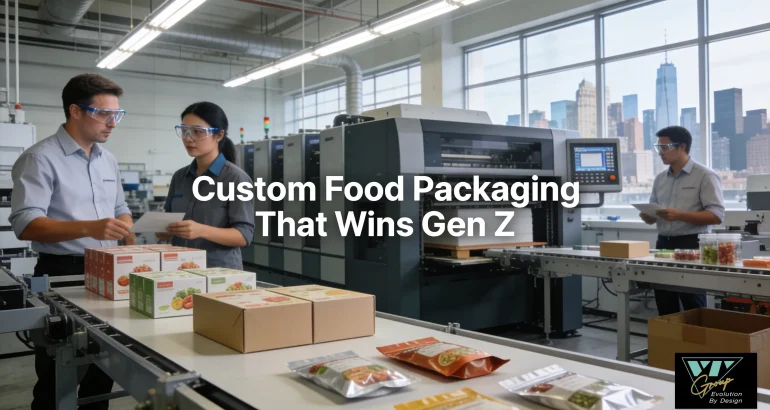
Custom printed food packaging targeting Gen Z must prioritize sustainable materials, bold visual aesthetics. Authentic brand storytelling, since this generation controls an estimated $150 billion in U.S. spending power and actively cross-checks sustainability claims before purchasing. Making honest labeling and scroll-stopping design non-negotiable for shelf and social media success.
Designing custom printed food packaging for Gen Z demands sustainable materials, honest labeling. Visuals that perform on social feeds as powerfully as on shelves. Gen Z holds an estimated $150 billion in U.S. spending power today and is projected to control trillions in global spending power by 2030. We integrate advanced plate-making, precise color management, and single-source production to deliver packaging that meets those non-negotiable expectations.
Key Takeaways
- Sustainable materials, honest labeling, and bold visuals are non-negotiable Gen Z packaging expectations.
- Gen Z holds $150 billion in US spending power, making them a critical food packaging target.
- Packaging designed for Gen Z performs equally well on social video feeds and retail shelves.
What Prerequisites Must Brands Establish Before Designing?
Brands must complete three foundational audits before a single design element is chosen: audience intelligence, packaging asset inventory, and sustainability positioning. Skipping these prerequisites costs sales before a product ever reaches a shelf.
Custom printed food packaging decisions made without audience data are particularly costly. Brands that ignore how this generation reads a package lose sales before the product is ever opened.
What Should Brands Audit Before Committing to a Visual Direction?
Gen Z grew up cross-checking sustainability claims. Comparing minimalist food brand packaging against bold aesthetic food boxes on social media in real time. Transparency is a baseline expectation for this audience, not a differentiator. Brands that enter design without auditing current packaging assets against those expectations enter the process already behind.
Complete these prerequisite steps in order:
- Conduct an audience intelligence review. Map Gen Z purchasing behaviors, social media packaging comparisons, and sustainability expectations specific to your category.
- Inventory existing packaging assets. Identify which current materials, finishes, and structural formats align with or contradict your target positioning.
- Define your sustainability stance. Establish verifiable claims before design begins — unsubstantiated claims are cross-checked and rejected by this audience immediately.
Why Does Foundational Experience Matter at This Stage?
flexographic plate making by VT Group, based near Philadelphia, brings decades of packaging. Print production expertise to this planning phase. That depth of experience helps brands avoid costly redesign cycles by resolving strategic gaps before production begins.
How Do You Build a Gen Z-Aligned Visual Identity?
Building a Gen Z-aligned visual identity requires treating packaging as a cultural medium — not a container. Brands that fail to communicate authenticity. Emotional resonance through design lose purchase consideration before a product ever reaches the shelf.
Bold aesthetic food boxes and considered visual systems are prerequisites for this generation. Gen Z reads premium packaging as a direct signal of product quality, meaning weak or generic design eliminates a brand from consideration entirely. Packaging must function as a space for expression, emotion, and genuine connection — not a corporate announcement.
Follow these steps to build a visual identity that earns Gen Z trust:
- Audit your current packaging for authenticity signals — remove anything that reads as overly polished or corporate.
- Define a visual language that reflects genuine brand values, not aspirational positioning borrowed from legacy brands.
- Develop bold, considered aesthetics that perform on a physical shelf and a social media feed simultaneously.
- Explore minimalist food brand packaging as a structural approach — clean, intentional design communicates respect for the consumer’s intelligence.
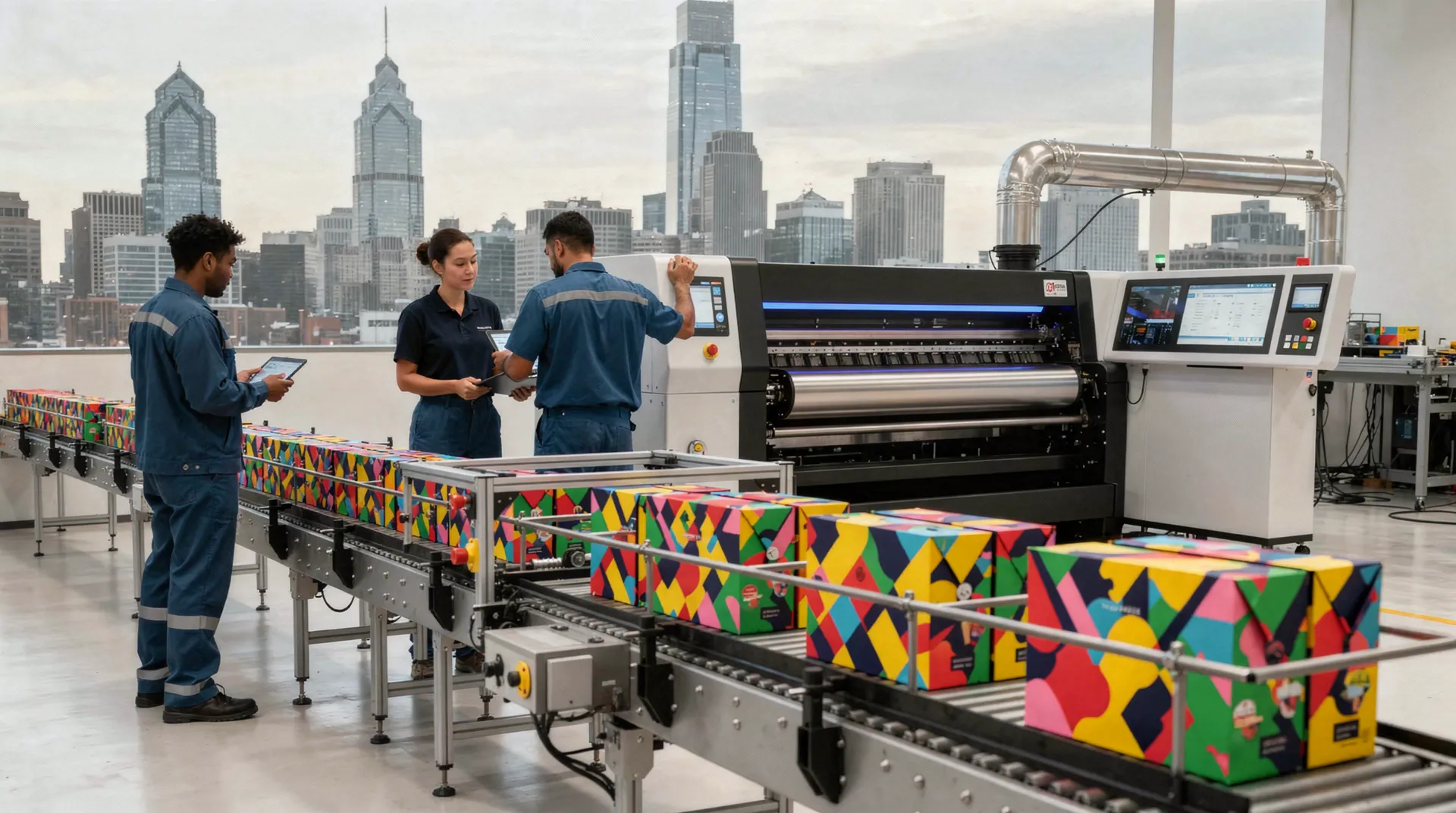
- Produce custom printed food packaging that translates the approved visual identity into print with precision, using a production partner equipped for exacting color management and die-cutting.
- Validate the final output against Gen Z expectations for independence and genuine brand character before committing to a full production run.
Why Does Authenticity Matter More Than Polish for Gen Z Packaging?
Gen Z consumers actively seek brands that feel genuine and respect individual independence. Overly refined, corporate-feeling packaging signals inauthenticity — and that signal costs sales.
How Does VT Group Support Gen Z-Aligned Packaging Production?
VT Group specializes in creative graphic design. **custom product packaging**, providing the production infrastructure needed to bring a Gen Z-aligned visual identity from concept into print with consistency and precision.
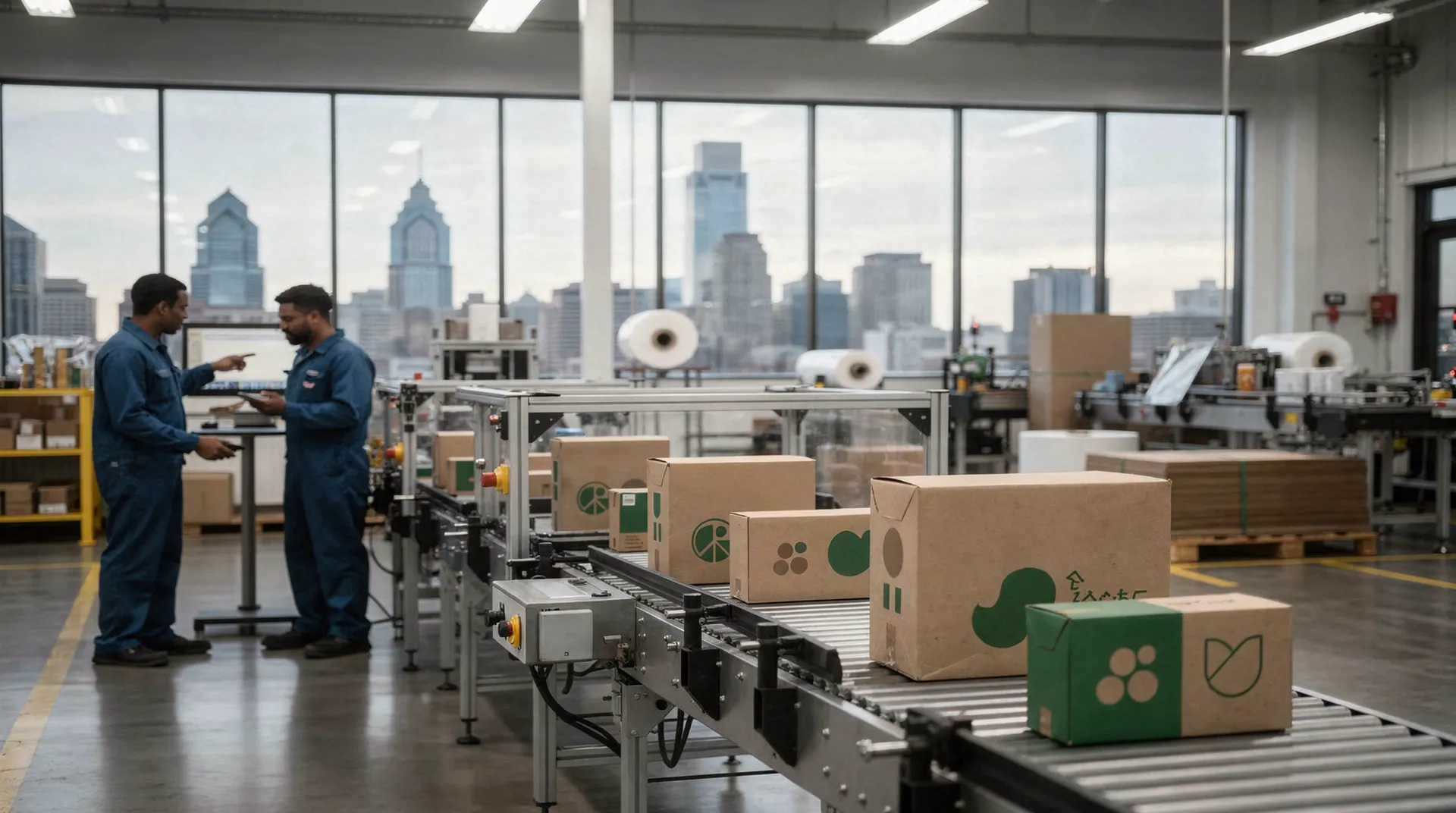
How Should Sustainability Be Integrated Into Package Design?
Sustainability belongs at the foundation of package design strategy, not as an afterthought. Brands that treat eco-conscious material choices. Honest environmental labeling as optional lose sales to competitors who have already made these elements standard practice.
Custom printed food packaging now operates in a market where Gen Z buyers treat sustainable materials and transparent labeling as non-negotiable expectations — not bonus features. Brands that ignore these expectations lose customers before a product is ever opened.
What Steps Produce a Sustainability-Integrated Package Design?
Follow these steps to embed sustainability into every stage of the packaging process:
- Audit current materials against food-safety and environmental regulations before committing to any design direction.
- Select water-based, odorless inks — VT Group deploys water-based and odorless WT inks to produce food-safe packaging that meets regulatory standards while maintaining strong shelf presence.
- Align visual language with environmental values — whether executing minimalist food brand packaging or bold aesthetic food boxes, ensure the structural and material choices reinforce the sustainability message on the label.
- Validate claims with honest labeling — Gen Z consumers cross-check sustainability messaging in real time, making transparency a baseline requirement rather than a differentiator.
- Test packaging performance across channels — packaging must communicate its eco-credentials as effectively on a digital video feed as it does on a physical retail shelf.
Why Do Sustainable Practices Create a Competitive Advantage?
Sustainable packaging practices are actively shaping the future of the packaging industry. Businesses that adopt these practices gain measurable advantages in customer engagement and long-term growth. Brands that delay adoption cede ground to competitors who have already aligned their packaging systems with evolving buyer expectations.
How Do You Optimize Packaging for Social Media Shareability?
Packaging optimized for social media shareability performs as well on a video feed as it does on a shelf. A standard that demands deliberate design decisions from the earliest production stage. Brands that neglect this standard lose earned media before a single unboxing video is filmed.
Modern consumers, particularly Gen Z, no longer simply purchase a product. They choose an experience, a story, and a stance. Meaning custom printed food packaging must deliver a shareable narrative moment, not just a container. Packaging that fails to communicate that story on camera forfeits organic amplification that no paid media budget can fully replace.
What Design Qualities Make Packaging Perform on Camera?
Minimalist food brand packaging and bold aesthetic food boxes each serve distinct social media functions. Minimalist structures photograph cleanly under variable lighting, while bold, high-contrast aesthetics command attention in fast-scrolling video feeds. The steps below outline how we approach social-ready packaging development:
- Audit the unboxing context first. Evaluate how the structure, texture, and color read under typical smartphone camera conditions before finalizing any design element.
- Engineer a narrative moment. Build a reveal sequence — layered tissue, interior print, or structural surprise — that gives the consumer a story worth sharing.
- Validate across touchpoints. Confirm that the design performs consistently across shelf, e-commerce photography, and video formats.
- Integrate influencer kit formats. We produce influencer kits as a distinct product category, applying the same immersive, turn-key display expertise we deploy across consumer engagement environments.
How Does Immersive Display Expertise Apply to Social Packaging?
VT Group builds turn-key systems that enhance consumer engagement across multiple touchpoints. That same capability — constructing immersive environments through display graphics. Translates directly into packaging architectures engineered to generate shareable, on-brand moments at the point of opening.
How Do You Execute and Manage the Final Print Production?
Executing final print production for custom printed food packaging demands disciplined workflow management, precise plate manufacturing. Enterprise-scale oversight at every stage. Brands that treat packaging as a consumable — rather than a financial asset — sacrifice margin, consistency. Customer experience in ways that compound across every production run.
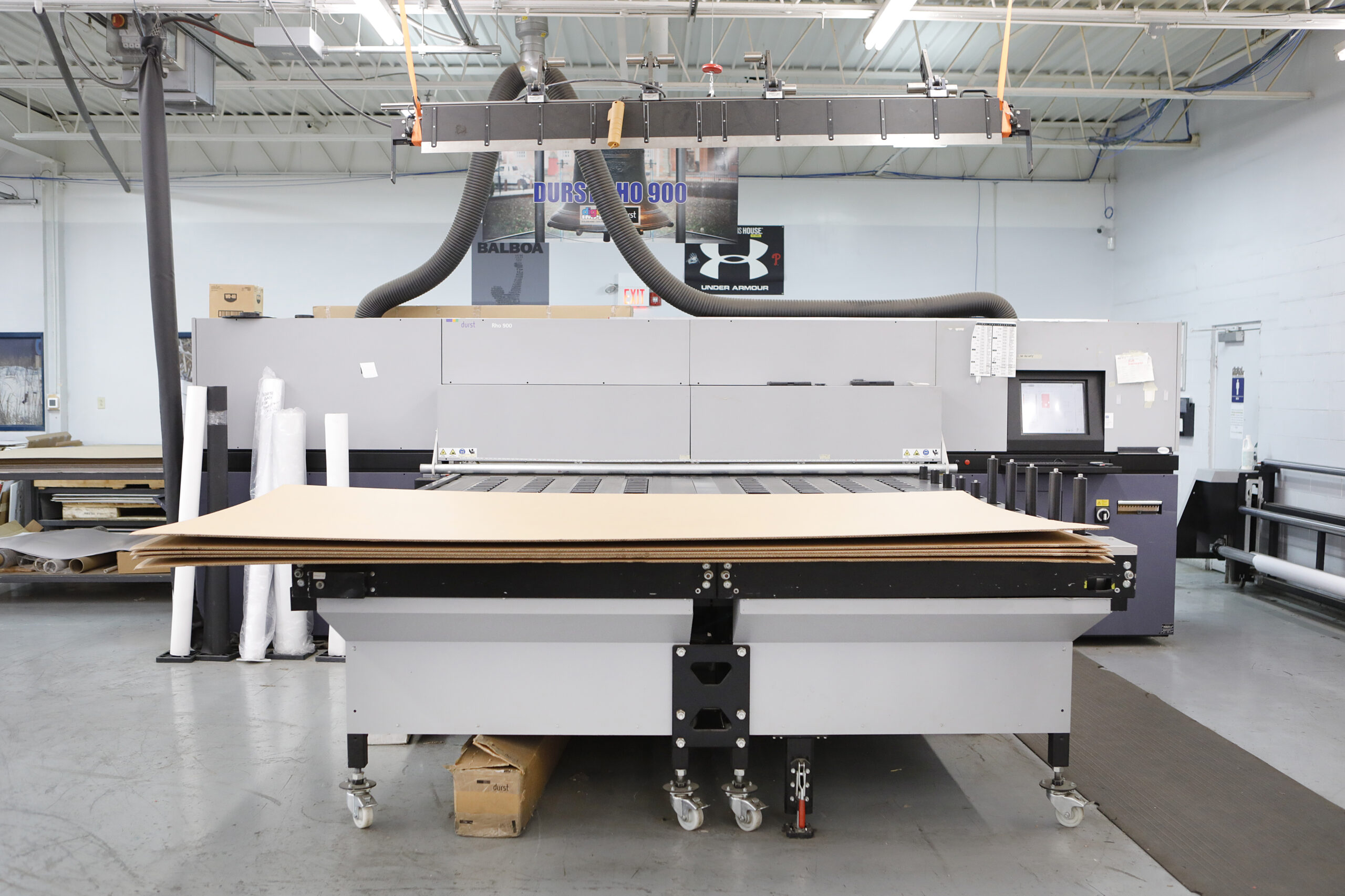
VT Group delivers a single-source production solution that integrates flexographic pre-press, plate manufacturing, workflow management, large-format digital printing, die cutting, and creative graphic design. Brands that manage packaging assets with visibility and control outperform those that don’t. And that gap widens as program complexity grows.
What Steps Does Final Production Execution Involve?
Follow these steps to move from approved artwork to finished packaging:
- Confirm press characterization data before plate production begins — substrate and ink variables must be locked.
- Complete flexographic pre-press and manufacture plates to specification, incorporating color management profiles validated against press conditions.
- Execute pre-mounting to reduce press-side setup time and eliminate avoidable waste.
- Run press characterization checks at production start to verify color accuracy across minimalist food brand packaging and bold aesthetic food boxes alike.
- Apply workflow management protocols throughout the run to maintain consistency, flag deviations, and document asset performance.
- Archive production assets — plates, profiles, and press data — for reuse and continuous improvement.
Why Does Single-Source Management Reduce Production Risk?
Fragmented vendor relationships introduce handoff errors, version mismatches, and accountability gaps that erode quality. VT Group, headquartered just outside Philadelphia and serving Fortune 500 companies. Major brands nationwide, consolidates every production discipline under one roof. That integration eliminates the coordination failures that cause costly reprints and missed launch windows.
FAQ
How much spending power does Gen Z control?
Gen Z holds an estimated $150 billion in U.S. spending power today and is projected to control trillions in global spending power by 2030.
What three audits must brands complete before designing Gen Z packaging?
Brands complete an audience intelligence review, a packaging asset inventory, and a sustainability positioning audit before selecting any design element.
Why does VT Group’s experience matter when designing for Gen Z?
VT Group, based near Philadelphia, brings decades of packaging. Print production expertise that helps brands resolve strategic gaps before production begins.