Custom corrugated box manufacturing and design are pivotal components in the packaging industry, delivering expertly tailored solutions that address the complex and varied needs of clients across sectors. These boxes, meticulously crafted from high-grade corrugated cardboard, combine superior strength and durability with advanced design capabilities. This comprehensive article examines the critical facets of custom corrugated box manufacturing, including strategic design considerations, state-of-the-art manufacturing processes, and the substantial benefits these packaging solutions provide. In today’s competitive market, businesses often encounter challenges in sourcing packaging that not only safeguards their products but also elevates brand presence. Custom corrugated boxes resolve these challenges by integrating robust functionality with compelling aesthetic appeal. We will explore the essential manufacturing stages, the advantages of sustainable packaging practices, and how these boxes are precisely engineered for diverse industry applications.
Expert Solutions for Tailored Packaging Needs
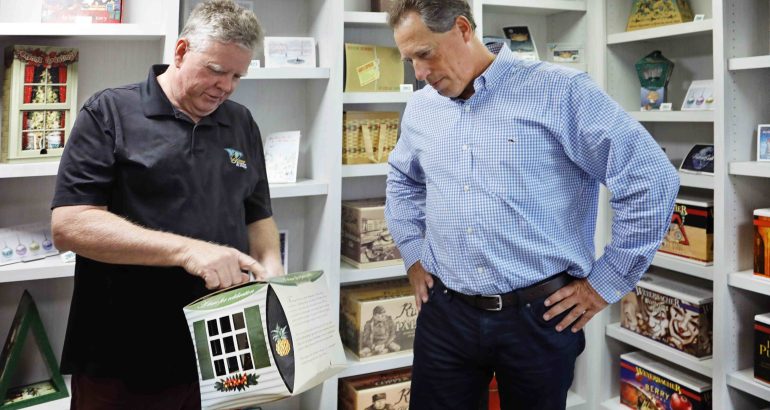
In an increasingly competitive marketplace, custom packaging solutions are indispensable for businesses aiming to distinguish their products. The inherent flexibility in design empowers companies to develop unique packaging that authentically reflects their brand identity while guaranteeing product protection throughout the supply chain. A consultative, client-focused approach to packaging design fosters close collaboration between manufacturers and clients, enabling a deep understanding of specific requirements and operational challenges. This synergy drives innovation and creativity, resulting in packaging solutions that fulfill both functional demands and consumer engagement objectives. Moreover, sustainability has emerged as a critical priority in packaging design, with custom corrugated boxes frequently produced from eco-friendly materials, thereby aligning with contemporary consumer values and regulatory expectations.
Design Considerations
Designing custom corrugated boxes requires meticulous attention to several critical factors to ensure optimal performance, compliance, and market impact.
- Material Performance: Selecting premium corrugated cardboard is essential to achieve the necessary strength and durability, ensuring reliable protection of products during transit and handling.
- Brand Aesthetics: Custom designs must be strategically aligned with brand identity, incorporating precise color schemes, logos, and graphics that enhance brand recognition and consumer appeal.
- Regulatory Compliance: Packaging designs must rigorously adhere to industry-specific standards and regulations, guaranteeing safety, legal compliance, and suitability for the intended product category.
These design considerations are foundational to developing packaging that effectively balances functional integrity with compelling marketing objectives.
Manufacturing Processes
The manufacturing of custom corrugated boxes encompasses a series of sophisticated steps designed to ensure precision, quality, and consistency.
- Prototyping and Testing: Initial prototypes are developed to rigorously evaluate both functional performance and visual appeal, facilitating iterative refinements prior to mass production.
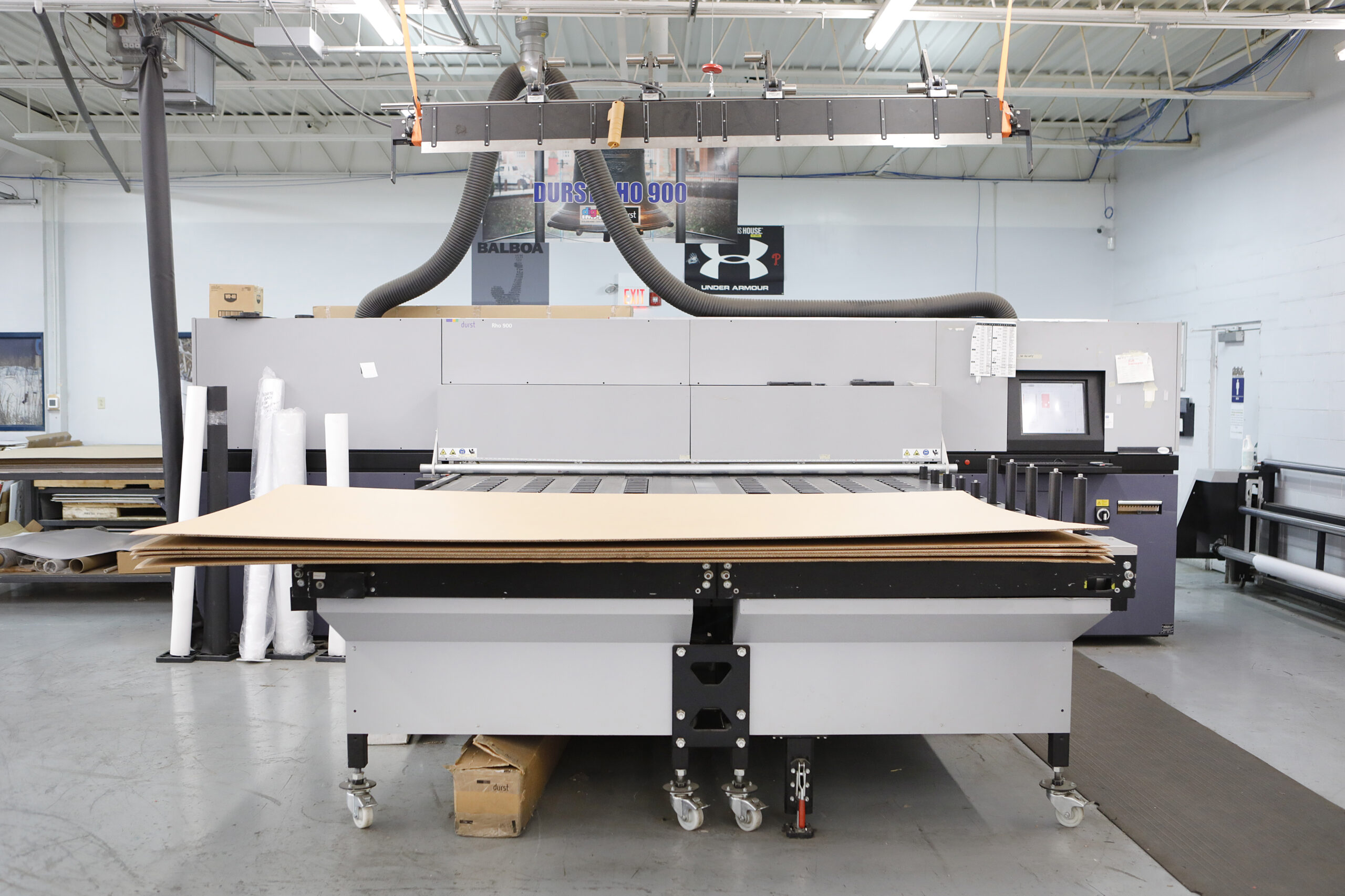
- Digital Printing Capabilities: Cutting-edge digital printing technologies enable the application of high-resolution graphics and intricate branding elements, significantly enhancing the visual impact of packaging.
- Quality Control Measures: Comprehensive quality assurance protocols are implemented throughout the manufacturing process to verify that each box meets stringent specifications and industry standards.
These advanced manufacturing processes collectively ensure that custom corrugated packaging solutions deliver superior reliability and aesthetic excellence.
Industry Best Practices
Adherence to industry best practices is paramount for manufacturers committed to delivering premium custom corrugated boxes.
- Leveraging Technology in Design: Employing the latest design software and printing technologies optimizes production efficiency and elevates the quality of packaging outputs.
- Project Management Strategies: Robust project management frameworks guarantee on-time delivery, budget adherence, and precise fulfillment of client specifications.
- Consumer Engagement Techniques: Innovative packaging designs that actively engage consumers can significantly enhance brand loyalty and market differentiation.
Implementing these best practices is instrumental in achieving excellence and competitive advantage in packaging solutions.
What Are the Key Benefits of Custom Corrugated Packaging Solutions?
Custom corrugated packaging solutions confer a multitude of strategic advantages that can profoundly influence a business’s operational efficiency and brand positioning.
- Cost-Effectiveness: Tailored packaging designs minimize material waste and optimize logistics, resulting in substantial cost savings across the supply chain.
- Sustainability Advantages: Utilizing recycled and responsibly sourced materials supports eco-friendly initiatives, appealing to environmentally conscious consumers and enhancing corporate social responsibility.
- Design Flexibility for Branding: Customization empowers businesses to craft packaging that authentically represents their brand, amplifying visibility and competitive differentiation in the marketplace.
These benefits underscore the strategic value of investing in custom corrugated boxes across diverse industry sectors.
How Do Custom Boxes Enhance Brand Visibility and Product Protection?
Custom boxes serve a dual strategic function by elevating brand visibility while ensuring robust product protection.
- Customization and Creativity: Distinctive designs and tailored branding elements enable products to capture consumer attention and stand out in retail environments.
- Quality and Durability: The use of premium materials guarantees that products are securely protected during transit, minimizing damage and returns.
- Cost-Effectiveness: Efficient design strategies reduce material usage without compromising protection, delivering cost efficiencies.
By integrating these elements, businesses can leverage custom packaging as a powerful tool to enhance market presence and customer satisfaction.
What Cost Control and Quality Advantages Do Custom Corrugated Boxes Offer?
Custom corrugated boxes provide significant advantages in cost control and quality assurance, contributing to streamlined operations and enhanced product integrity.
- Customization and Versatility: Tailored designs accommodate diverse product dimensions and shapes, reducing the need for excess packaging and associated costs.
- Quality and Durability: High-grade corrugated materials ensure resilience against shipping stresses, preserving product condition.
- Sustainability: Adoption of sustainable manufacturing practices not only reduces environmental impact but also enhances brand reputation and can lead to cost savings.
These factors collectively position custom corrugated boxes as a critical element in effective packaging strategies.
How Is the Custom Corrugated Box Manufacturing Process Executed?
The execution of custom corrugated box manufacturing is a structured process encompassing key stages to guarantee quality, efficiency, and client satisfaction.
- Consultation and Design: Detailed consultations with clients establish precise packaging requirements and design preferences.
- Material Selection: Expert selection of materials ensures optimal strength, durability, and suitability for the intended application.
- Quality Control: Continuous quality inspections throughout production maintain high standards and ensure compliance with client specifications.
This methodical approach ensures the delivery of packaging solutions that meet or exceed expectations.
What Are the Essential Steps in Corrugated Box Production?
The production of corrugated boxes involves a series of essential, meticulously executed steps that ensure the final product’s quality and functionality.
- Consultation and Design: Comprehensive understanding of client needs forms the foundation for effective packaging design.
- Prototyping: Development of prototypes facilitates rigorous testing and refinement prior to full-scale manufacturing.
- Printing and Branding: Application of advanced printing techniques ensures accurate and vibrant representation of branding elements.
These steps are critical to delivering packaging that satisfies both operational and marketing objectives.
How Does Advanced Plate Making Technology Improve Printing Quality?
Advanced plate making technology significantly enhances the precision and quality of printed designs on corrugated boxes, elevating the overall packaging standard.
- High-Performance Photopolymer Plates: These plates enable exceptionally precise and consistent printing, ensuring faithful reproduction of intricate designs.
- Enhanced Tonal Range Reproduction: This technology supports a broader spectrum of colors and tonal variations, enriching the visual appeal of packaging.
- Minimized Fluting: Innovative techniques reduce fluting artifacts, resulting in smoother, more professional print finishes.
These technological advancements contribute decisively to the superior quality and effectiveness of custom packaging solutions.
What Sustainable Practices Are Integrated into Eco-Friendly Shipping Boxes?
Leading manufacturers are increasingly embedding sustainable practices into the production of eco-friendly shipping boxes, reflecting a commitment to environmental stewardship.
- Use of Recycled Materials: The integration of recycled corrugated cardboard significantly reduces environmental footprint and conserves natural resources.
- Minimalist Design: Streamlined packaging designs minimize material consumption and waste, advancing sustainability goals.
- Lifecycle Cost Analysis: Comprehensive evaluation of packaging costs over its entire lifecycle identifies opportunities for environmental and economic optimization.
These practices not only mitigate environmental impact but also resonate with the growing consumer demand for responsible and sustainable products.
Which Materials and Certifications Define Sustainable Packaging?
Sustainable packaging is characterized by the strategic selection of materials and adherence to recognized certifications that validate environmental responsibility.
- Recycled Corrugated Board: Utilization of recycled content is fundamental to reducing reliance on virgin materials and promoting circular economy principles.
- FSC Certification: The Forest Stewardship Council certification guarantees that materials are sourced from responsibly managed forests, ensuring ecological and social sustainability.
- BPI Certification: The Biodegradable Products Institute certification confirms that packaging materials are compostable and meet rigorous environmental standards.
These certifications provide businesses with credible means to demonstrate their commitment to sustainable sourcing and environmental stewardship.
How Does Sustainable Design Support Environmental and Business Goals?
Sustainable design is integral to advancing both environmental objectives and business performance.
- Material Optimization: Employing sustainable materials and design strategies reduces waste and enhances resource efficiency.
- Cost Efficiency: Sustainable practices often yield long-term financial benefits through reduced material costs and improved operational efficiencies.
- Brand Loyalty: Increasingly, consumers favor brands that prioritize sustainability, fostering enhanced customer loyalty and competitive advantage.
By embedding sustainable design principles, businesses can simultaneously achieve ecological responsibility and strengthen their market position.
Which Industry Applications Benefit from Custom Retail and Industrial Packaging Design?
Custom retail and industrial packaging design delivers significant value across a broad spectrum of industries, addressing unique sector-specific requirements.
- Food and Beverage: Custom packaging solutions ensure product freshness, safety, and regulatory compliance, critical for consumer trust.
- Pharmaceuticals: Packaging must meet stringent regulatory standards while providing secure protection for sensitive products.
- Electronics: Tailored designs accommodate delicate components, ensuring safe transport and effective product presentation.
These applications underscore the versatility and critical importance of custom packaging solutions in diverse market segments.
How Are Retail Display Packaging Solutions Tailored for Market Impact?
Retail display packaging solutions are meticulously engineered to maximize consumer engagement and market effectiveness.
- Customization and Creativity: Innovative and distinctive designs capture consumer attention and reinforce brand identity.
- Quality and Durability: Packaging is designed to withstand handling and display conditions, preserving product integrity and presentation.
- Sustainability: Incorporating eco-friendly materials and practices enhances brand reputation and aligns with consumer values.
These tailored solutions play a decisive role in influencing purchasing behavior and strengthening brand perception.
What Are the Requirements for Industrial Packaging Design in Bulk Shipping?
Industrial packaging design for bulk shipping must satisfy rigorous requirements to ensure operational efficiency, safety, and regulatory compliance.
- Material Performance: Packaging must exhibit exceptional robustness to protect products throughout the logistics chain.
- Regulatory Compliance: Designs must conform to applicable industry regulations to guarantee safety and legal adherence.
- Cost and Volume Considerations: Efficient packaging design optimizes material usage and shipping logistics, reducing overall costs.
Meeting these requirements is essential for businesses engaged in bulk shipping to ensure product integrity and supply chain efficiency.
Frequently Asked Questions
What types of businesses benefit most from custom corrugated packaging?
Custom corrugated packaging is advantageous for a wide range of industries, including food and beverage, pharmaceuticals, electronics, and retail. Each sector has unique requirements; for instance, food packaging must ensure freshness and safety, while pharmaceutical packaging needs to comply with strict regulations. Additionally, electronics require protective designs to safeguard delicate components. By tailoring packaging solutions to meet these specific needs, businesses can enhance product protection, compliance, and brand visibility, ultimately leading to improved customer satisfaction and loyalty.
How can businesses ensure their custom packaging is environmentally friendly?
To ensure custom packaging is environmentally friendly, businesses should prioritize the use of recycled materials and seek certifications such as FSC (Forest Stewardship Council) and BPI (Biodegradable Products Institute). Implementing minimalist design principles can also reduce material waste. Additionally, conducting lifecycle assessments can help identify opportunities for sustainability improvements. By adopting these practices, companies not only minimize their environmental impact but also align with consumer preferences for eco-friendly products, enhancing their brand reputation in the process.
What role does technology play in the design of custom corrugated boxes?
Technology plays a crucial role in the design of custom corrugated boxes by enabling advanced design software and digital printing techniques. These technologies allow for precise customization, high-resolution graphics, and intricate branding elements that enhance visual appeal. Additionally, automation in manufacturing processes improves efficiency and consistency, ensuring high-quality outputs. By leveraging technology, businesses can create innovative packaging solutions that not only meet functional requirements but also engage consumers effectively, driving brand loyalty and market differentiation.
How do custom corrugated boxes contribute to cost savings in logistics?
Custom corrugated boxes contribute to cost savings in logistics by optimizing material usage and reducing waste. Tailored designs ensure that packaging fits products perfectly, minimizing excess space and material. This efficiency leads to lower shipping costs and reduced risk of damage during transit. Furthermore, by streamlining the packaging process and enhancing durability, businesses can decrease return rates and improve overall supply chain efficiency. These factors collectively result in significant cost reductions, making custom packaging a smart investment for businesses.
What are the key considerations for designing packaging for fragile products?
When designing packaging for fragile products, key considerations include material selection, cushioning, and structural integrity. Using high-quality corrugated materials that provide adequate strength is essential. Incorporating protective features such as inserts, dividers, or cushioning materials can help absorb shocks and prevent damage during transit. Additionally, the design should facilitate easy handling while ensuring that the product is securely held in place. By addressing these factors, businesses can enhance product protection and reduce the likelihood of returns due to damage.
How can custom packaging enhance consumer engagement?
Custom packaging enhances consumer engagement by creating a memorable unboxing experience that reflects the brand’s identity. Unique designs, vibrant colors, and interactive elements can capture consumer attention and foster emotional connections. Additionally, incorporating storytelling or informative graphics on the packaging can educate consumers about the product and its benefits. By prioritizing aesthetics and functionality, businesses can create packaging that not only protects the product but also serves as a marketing tool, encouraging repeat purchases and brand loyalty.
What are the benefits of using digital printing in custom packaging?
Digital printing offers numerous benefits for custom packaging, including high-quality graphics, quick turnaround times, and cost-effectiveness for short runs. This technology allows for precise color reproduction and intricate designs, enhancing the visual appeal of packaging. Additionally, digital printing eliminates the need for costly plates and setup, making it ideal for businesses looking to test new designs or run limited editions. By utilizing digital printing, companies can respond quickly to market trends and consumer preferences, ensuring their packaging remains relevant and engaging.