Introduction: Packaging Is an Asset, Not an Expense
For years, packaging was treated as a consumable—something ordered, used, and forgotten. Today, that mindset no longer works. In modern supply chains, packaging is a brand touchpoint, operational tool, and financial asset that directly impacts margins, sustainability goals, and customer experience.
Packaging asset management is the discipline that brings structure, accountability, and performance measurement to packaging systems. From corrugated displays and product boxes to specialty packaging for food, beverage, and regulated industries, companies that manage packaging assets strategically outperform those that don’t.
As packaging complexity increases and brand expectations rise, organizations need visibility, consistency, and control. That’s exactly where packaging asset management delivers measurable value.
What Is Packaging Asset Management?
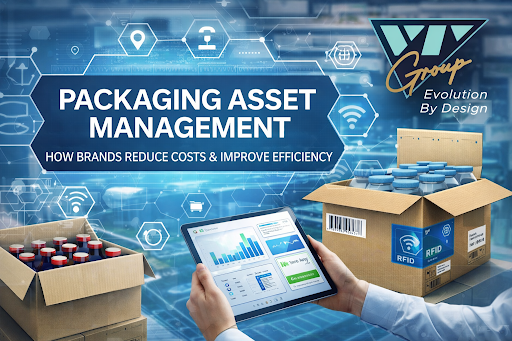
Packaging asset management is the systematic process of tracking, standardizing, optimizing, and governing packaging materials and systems across their lifecycle. This includes everything from design and production to storage, distribution, reuse, and replacement.
Unlike traditional packaging procurement—which focuses primarily on price—asset management considers total lifecycle value. It aligns packaging decisions with brand standards, operational efficiency, and long-term cost control.
Companies that work with experienced packaging partners like VT Group often integrate asset management into broader brand and supply chain strategies, ensuring packaging performs consistently across channels, regions, and product lines.
Why Packaging Asset Management Matters More Than Ever
Today’s packaging environments are more complex than ever before. Brands are managing multiple SKUs, faster product launches, omnichannel distribution, and heightened sustainability expectations—all while controlling costs.
Without a structured approach, packaging assets become fragmented, duplicated, and inefficient.
Key Challenges Asset Management Solves
- Inconsistent packaging quality across locations
- Overstocking or shortages due to poor visibility
- Rising costs from unmanaged packaging variations
- Brand inconsistency at retail and point of sale
- Difficulty scaling packaging for new markets
Packaging asset management turns packaging into a repeatable, scalable system, not a recurring problem.
Packaging Assets That Require Strategic Management
Packaging assets extend far beyond basic boxes. Many brands underestimate the scope of what should be actively managed.
Common Packaging Assets
- Folding cartons and rigid boxes
- Corrugated shipping boxes and displays
- Retail-ready packaging
- Influencer and promotional kits
- Specialty packaging for regulated markets
- In-store signage and branded displays
For example, brands investing in types of boxes for multiple products benefit significantly from standardization and version control—two core pillars of asset management.
Similarly, assets like interior and exterior signs and displays require consistent production standards to maintain brand integrity across retail environments.
The Core Pillars of an Effective Packaging Asset Management System
Standardization and Version Control
Standardization reduces errors, speeds production, and lowers costs. Asset management ensures approved packaging designs, dielines, and specifications are used consistently—eliminating costly rework and brand inconsistencies.
This is especially important for multi-location brands and those working across different packaging categories such as product packaging and corrugated display printing.
Workflow Optimization and Production Efficiency
Packaging asset management aligns closely with production workflows. When assets are properly managed, production teams spend less time correcting issues and more time delivering quality output.
Partners that emphasize workflow perfection help ensure packaging assets move smoothly from concept to production without unnecessary delays or bottlenecks.
Color Accuracy and Brand Consistency
Color inconsistency is one of the most common and expensive packaging problems. Effective asset management includes precise color standards and calibration across print runs.
By integrating professional color management, brands ensure packaging looks identical whether it’s printed today or six months from now.
Financial Benefits of Packaging Asset Management
Lower Total Cost of Ownership
Packaging asset management shifts focus from unit price to total cost of ownership. This includes waste reduction, fewer reprints, and improved production efficiency.
By leveraging state-of-the-art equipment, asset-managed packaging programs reduce errors that drive up hidden costs.
Reduced Waste and Rework
Errors in packaging design or production lead to scrapped materials, rushed reorders, and missed deadlines. Asset management minimizes these issues by ensuring accuracy from the start.
This is particularly critical for high-volume categories like retail food packaging and beer, wine, and spirits packaging, where compliance and consistency are non-negotiable.
Packaging Asset Management and Sustainability
Sustainability goals are difficult to achieve without data and control. Packaging asset management provides both.
By tracking packaging usage, materials, and performance, brands can make informed decisions that reduce environmental impact while maintaining quality.
Industries such as cannabis packaging rely heavily on compliant, sustainable packaging solutions—making asset management essential for both regulatory and environmental responsibility.
The Role of Technology in Packaging Asset Management
Modern packaging asset management is powered by integrated technology, not spreadsheets.
Key Technology Enablers
- Digital asset libraries
- Automated proofing systems
- Print workflow integration
- On-site project management
Companies that provide project managers and on-site liaisons significantly reduce communication gaps and execution errors, ensuring packaging assets are managed proactively.
Who Benefits Most from Packaging Asset Management?
Packaging asset management is valuable across industries, but it is especially impactful for:
- Consumer packaged goods brands
- Food and beverage manufacturers
- Retail and eCommerce companies
- Regulated industries
- Marketing and promotional teams
VT Group’s experience serving diverse industries is reflected in their who we serve approach—tailoring asset management strategies to specific operational needs.
Packaging Asset Management in Marketing and Promotions
Packaging is not just functional—it’s experiential. Promotional packaging, influencer kits, and branded launches require flawless execution.
Programs such as influencer kit packaging benefit immensely from asset management, ensuring repeatability and scalability without sacrificing creativity.
When packaging is aligned with broader campaigns like digital impact landing pages, asset management ensures consistent brand storytelling across physical and digital channels.
Choosing the Right Packaging Asset Management Partner
Not all packaging providers are equipped to support asset management at a high level. The right partner brings expertise, infrastructure, and accountability.
Key qualities to look for include:
- Proven production capabilities
- Integrated workflow systems
- Dedicated project management
- Strong quality control processes
Understanding why choose us matters when packaging performance directly affects revenue, compliance, and customer perception.
The People Behind Successful Packaging Asset Management
Technology and equipment matter—but people make the difference.
A knowledgeable team ensures packaging assets are managed strategically, not reactively. Working with an experienced team provides continuity, expertise, and problem-solving capability throughout the packaging lifecycle.
Frequently Asked Questions About Packaging Asset Management
Is packaging asset management only for large brands?
No. Mid-sized and growing brands often benefit the most, especially when scaling product lines or entering new markets.
How long does it take to see ROI?
Many companies see cost savings and efficiency gains within the first few production cycles.
Does packaging asset management support custom packaging?
Absolutely. Custom solutions become more efficient and scalable when managed through standardized systems.
For additional insights, brands can explore the frequently asked questions resource.
Staying Compliant and Transparent
Packaging asset management also supports transparency, data governance, and compliance. Clear documentation and standardized processes help brands meet internal policies and external regulations, including adherence to corporate standards such as the privacy policy.
Turn Your Packaging Into a Strategic Asset
Packaging asset management is no longer optional for brands that care about efficiency, consistency, and growth. It transforms packaging from a recurring cost into a controlled, high-performing business asset.
If you’re ready to gain visibility, reduce waste, and elevate your packaging strategy, connect with a partner who understands the full lifecycle of packaging execution.
Contact VT Group to explore how packaging asset management can support your brand—or request hands-on inspiration with a free sample kit.
For more insights, visit the VT Group blog and discover how expert packaging strategy drives real-world results.